Sunday, November 26, 2006

I could live to 92!


I took the 10minute Eons.com test to see how long i could live.

Chris Street Calculator age is:

92!

Recommendations:

lifestyle

+1.0 year

Minimizing or cutting out your caffeinated coffee consumption completely could provide you with about a year more in life expectancy

+1.0 year

If it is ok with your doctor, taking an 81 mg aspirin every day improves your heart and brain health and could help you delay or escape a heart attack or stroke. It is best to take the aspirin every day rather than your occasional habit of taking aspirin. Taking an aspirin each day, perferably in the evening, could add 1 year to your life expectancy.

+0.5 years

There is a clear link between the inflammation of gum disease and heart disease. Do a good job of flossing daily and you could add half a year to your life expectancy.

nutrition

+0.5 years

It is unclear if your current weight puts you at increased risk for heart disease or cancer. None the less, by no longer being overweight you would likely improve your overall health and could increase your life expecatancy by half a year or more.

+0.25 years

The more you can get fast foods out of your diet the better. While you are already doing a pretty good job of doing so, completely removing fast foods from your diet could add a quarter of a year to your life expectancy

+0.5 years

You are already making an effort to cut back on your carbs. Further cutting back the carbs in your diet (basically anything white and French fries) to a serving every other day could add half a year to your life expectancy

medical

+0.5 years

Increasing the frequency of your bowel movements to at least once every two days could add half a year to your life expectancy.

+1.0 year

Decreasing your bad cholesterol (called LDL cholesterol) to a normal or even lower level could increase your life expectancy by a year

+0.5 years

Decreasing your systolic blood pressure (the first of the two numbers) to 120 or even lower could add half a year to your life expectancy

+0.25 years

Getting your blood sugar checked could add a quarter of a year to your life expectancy

PERSONAL

Gender

As a man, compared to women, you likely need to be more diligent about good health habits. If they develop heart attack or stroke, men tend to do so about ten years earlier than women. The reason for how and why women have this advantage is unclear. One possibility is that women make much more estrogen than men and this hormone might be associated with some protective effect, though this has in no way been proven. Another possibility is that chronic iron deficiency (due to menstruation) gives a woman her advantage. Iron is critical to our cells' ability to produce age-accelerating free radicals that also predispose to heart disease, stroke, Alzheimer's disease and cancer. Men can `menstruate` every eight weeks by donating a pint of blood at their local hospital or other blood bank center. Eight weeks is the recommended period (no pun intended) of time between donations. Donating blood has certainly not been proven to improve cardiovascular risk, though the downside, while performing a good deed, would seem to be minimal.

Next steps

The following actions and potential problems to be checked for are general guidelines for the general public. There may be instances where a particular recommendation does not pertain to a particular patient because of their unusual circumstances. Furthermore, in some cases something might need to be checked or examined at a younger than usually recommended age because of a familial predisposition or predisposing environmental exposure or behavior. The following is not meant to be an all-inclusive list and it is wise to have a detailed discussion with your health care provider to come up with a plan of prevention and screening that fits your particular circumstances.

  1. Each year, with your heath care provider, be sure to cover the following.
    • History and physical exam
    • Tobacco use
    • Diet and exercise counseling
    • Alcohol and substance abuse
    • Sex-related concerns
    • Vision screen and hearing test
    • Depression screen
    • Self examination counseling (e.g. skin)
    • Driver safety counseling (e.g. seat belt use, assessment of driving safety record)
  2. And, have the following checked by physical examination and/or laboratory evaluation annually:
    • Obesity screening and counseling (body mass index and waist size)
    • Blood pressure
    • Prostate exam (and serum prostatic specific antigen or PSA, if there is a family history of prostate cancer, being of African-American descent, consumption of a high-fat diet, or having had a vasectomy).
    • Stool for any blood (requires a special test to detect trace, invisible amounts)
    • Total blood cholesterol (and specifically HDL and LDL cholesterol and triglyceride levels)
    • Electrocardiogram (ECG) if you are at increased risk for heart disease (increased risk would be the case if you have two or more of the following: a family history of heart attack, elevated cholesterol, high blood pressure, diabetes or smoking)
  3. Be sure that the following is performed regularly at the recommended intervals:
    • Colorectal cancer screening
    • Flexible Sigmoidoscopy, every five years
    • Complete colon examination by colonoscopy, every 10 years (no need to perform sigmoidoscopy in the tenth year when colonoscopy also examines the sigmoid colon)
    • Tuberculin skin test (PPD) every 1-3 years depending upon your risk of being exposed to tuberculosis
    • Tetanus vaccination every five years
    • Exercise treadmill test (ETT) if at increased risk for heart disease (for example: family history, smoker, high blood pressure, diabetes, or poor cholesterol profile) or if otherwise felt to be warranted by your health care provider.
Next steps

Marital Status

Congratulations, New England Centenarian Study data suggest that in the case of men, being married provides a survival advantage.

Next steps

Proximity of Family

Having reasonably frequent contact with family or friends who are like family to you can be an important feature of your ability to manage stress well and is probably a life expectancy extender. Extended family cohesiveness and frequent contact is a notable feature of centenarian families. Researchers have noted that people who do not belong to cohesive families have fewer coping resources and increased levels of social and psychological stress. Psychological stress is associated with heart disease, various cancers and increased mortality risk.

Next steps

How Do You Cope With Stress?

Excellent! Managing your stress in such a way that it doesn't eat away at you, and in your case actually acts as a motivator is tremendous. Your ability to manage stress effectively will substantially improve your life expectancy and increase the number of healthy years ahead of you.

Next steps

Sleep Habits

It is terrific that you are getting adequate and quality sleep. Adequate sleep is also a sign of good health.

Education

All those years of education will likely increase your life expectancy for obvious reasons such as your being a more informed consumer of health care and your being more likely to partake in healthy behaviors such as not smoking and having a healthy diet. Regarding your brain health, continue to participate in cognitively challenging activities, exercising parts of your brain that haven't been used so much - new activities that are difficult (what neuropsychologist Paul Naussbaum terms 'novel and complex'). Learn a new language or musical instrument; if you don't have time for these most potent activities, try crosswords, Scrabble, bridge, sculpture or painting, but when you get good at something, move on to another cognitively challenging activity. Cognitively challenging activities as an adult, have been shown to delay the onset of Alzheimer's disease and to slow its progression.

Next steps

Hours on the Job

A recent Japanese study of the relationship between work hours and heart attack risk revealed that men who worked, on average, 11 hours or more a day had twice the risk of heart attack. Interestingly though, those who worked less than 7 hours a day were also at increased risk. If you find your current workload comfortable and that you are taking advantage of your leisure time to perform healthy and enjoyable activities, good for you and keep up the good work!

Next steps

Optimism

Your optimism likely has a real impact upon your longevity! According to Dutch investigators who, over a decade, tracked 1,000 people ages 65 to 85, people who are open to opportunities and possibilities have a 55 percent lower risk of death; in doing so, you end up less stressed, happier, healthier and more long-lived.

Brain Strengthening

Excellent! Your brain strengthening activities can help you delay or escape memory loss and perhaps Alzheimer's disease.

Next steps

LIFESTYLE

Smog

Ahhh. Take a deep breath of that clean fresh air! It is wonderful and life expectancy-enhancing that you live in a smog-free environment.

Coffee

You are drinking too much coffee. You may have many reasons for this degree of consumption including trouble with sleep, withdrawal headaches, the taste, and so on. Gradually replacing your coffee with tea is one method of weaning yourself off. There are effective methods for the majority of people and the effort is worthwhile in improving quality and quantity of life. Excessive coffee can be a sign of increased stress. Stress can lead to a hormonal imbalance, which can physically stress and age numerous organs. In addition, coffee predisposes the stomach to chronic inflammation of the stomach and ulcers. Such chronic inflammation leads to release of substances that raise the risk of heart disease. Tea, and especially green tea, on the other hand, has been noted for its significant antioxidant content, and tea drinkers in general appear to be healthier.

Tea

Good job on the tea drinking! Regular tea consumption is a healthy habit that may actually be life extending. The antioxidants in tea may decrease your risk of heart disease and cancer. Tea contains a powerful class of antioxidants known as polyphenols. It is controversial whether green tea has more bioavailable polyphenols than black tea. Either way however, you can't go wrong.

Second-hand Smoke

Avoiding second hand smoke is a very important habit. Because second hand smoke is even more toxic than the filtered smoke that smokers inhale, it takes less of a 'dose' or exposure to be toxic to your lungs and your body in general. Thus, keep avoiding the secondhand smoke as you have been doing. Second hand smoke is more toxic than what the smoker gets because it is unfiltered. Such exposure is clearly a substantial cause of cancer, heart disease, asthma and other lung diseases.

Aspirin

Taking an aspirin daily has been shown to decrease the risk of heart attack by half. Try to increase your intake to daily. The benefit of an aspirin each day may be due to the anti-blood clotting effects of aspirin. Chronic inflammation may also play a role in heart disease and therefore, aspirin's effect on inflammation may also be helpful.

Sunscreen

You are doing a good job protecting yourself from the sun and therefore from accelerated aging of your skin as well as deadly skin cancers such as from melanoma. Just because you do protect yourself, this does not mean you should not have a regular skin (dermatology) check up and perform a monthly self-examination of your skin. You should also perform a monthly self-examination for changing, new or growing lesions of your skin. For guidance on a self-exam, see [http://www.skincheck.com/]. The association between sun exposure and accelerated skin aging are clear. The ultraviolet rays in sunlight directly damages DNA. More sun means more wrinkles sooner. It also means a higher risk of deadly skin cancer. Excessive sun exposure may also have toxic consequences for the body in general.

Flossing

You need to floss your teeth. There are benefits that go far beyond better breath, but don't underestimate the benefits of good breath! Diligent and regular flossing means keeping your teeth and very possibly reducing your risk of heart attack. Recent scientific evidence reveals that chronic gum disease leads to the release of inflammatory, toxic substances and certain bacteria into the blood stream which potentiate plaque formation in arteries and ultimately lead to heart disease. This process probably also increases the risk of stroke and accelerated aging.

Next steps

NUTRITION

Your Weight

Your calculated body mass index indicates that you are likely overweight. If you are in fact lean (minimal amount of fat) and this calculation is off because of your unique build and greater than expected amount of muscle, then this assumption is incorrect and you should add a few years to your calculated longevity (with our apologies!). If, to be honest, you are a bit overweight, then you should do what you can to get down to a lean (as little fat as possible) body weight. Being overweight significantly increases your risk for diseases that markedly impact upon your longevity, including heart trouble, diabetes, high blood pressure, cancer, stroke and dementia. As you age, you may find it more challenging to keep the weight off. You will find, if you aren't doing it already, that getting into a regular regimen of weight training to maintain or build muscle mass will be very helpful in keeping the weight off. Of course diet is also important and lowering your consumption of carbohydrates is helpful. Diet advice is covered by the feedback for the questions related to carbohydrates and sweets.

Fast Food

You are doing a relatively good job at avoiding fast foods. However, it would be good if you could cutback even more? maybe just a few times a month. Fast food, generally fried foods and hamburgers, are high in calories and saturated fats. These will make you gain weight and they increase your risk for heart disease, stroke and perhaps cancer. Another potential risk factor for cancer is preserved meats. Fast food, generally fried foods and hamburgers, are high in calories and saturated fats. These will make you gain weight and they increase your risk for heart disease, stroke and perhaps cancer. Some studies suggest that 90% of all human cancers are environmentally induced, 30-40% of these by diet. Preserved and cured meats (bacon, sausage, lunch meats, etc.) are the largest source of nitrites in our diet. Nitrites lead to the formation in our bodies of nitrosoamines, which are important environmental oxidants and probable carcinogens. For instance, there is a suggestive association between nitrosamines and stomach cancer.

Next steps

Calcium Intake

Continue to do your best to insure that you are getting plenty of calcium from your diet and if needed, from a vitamin or calcium supplement. The recommended amounts of calcium and vitamin D are 1,500 mg calcium and 1,000 IU of vitamin D per day. Supplements vary according to their efficacy and side effects. The following is a summary:

  • Calcium Citrate, more on the expensive side, can be taken with and without food and is generally not associated with gas or bloating.
  • Calcium carbonate (like Tums) is less expensive but is more difficult to absorb and can be associated with gastrointestinal upset and is better to take with food.
  • Oyster shell, bone meal or dolomite should generally be avoided since they can be associated with toxic metals.
  • Calcium gluconate, calcium lactate, calcium phosphate and other calcium compounds generally have lower amounts of calcium and thus you have to take greater volumes of the supplement.

In addition to dairy products, calcium-fortified juices, breads and cereals are also excellent sources. On the other hand, large quantities of salty foods and meat can significantly increase the amount of calcium lost in the urine. Some foods high in calcium also contain oxalic acid, which interferes with calcium absorption. Spinach is such a food. Do know that even adequate amounts of calcium intake cannot guarantee prevention of osteoporosis. Strength training is also a very helpful measure. All women going through menopause should get their bone density checked by their doctor to check if they have osteoporosis or appear to be heading in that direction. Vitamin D is necessary for the body to absorb the calcium we get in our diets. Our skin naturally makes vitamin D in the presence of sunlight. As we get older, our skin becomes less able to manufacture vitamin D. Also, people who live in areas that get less sunlight during the winter months and/or stay indoors a lot are more likely to be vitamin D deficient. As a result, vitamin D deficiency is actually common. Besides lower calcium levels, vitamin D deficiency can cause annoying symptoms like aches and muscle weakness. Vitamin D deficiency can be avoided by taking in 1,000 IU per day of a vitamin D supplement.

Meat Intake

Good for you. A diet that minimizes meat is healthier. Less meat in the diet is conducive to less heart disease and risk for heart attack and stroke. Furthermore, there are nutritional sources of antioxidants in foods that replace meat in a person's diet especially the polyphenols present in certain vegetables and fruits and the omega-3 fatty acids in fish that help lower LDL cholesterol and raise HDL cholesterol thus decreasing their risk for heart attack and stroke. Weighing red meat against vegetables and fish or skinless poultry, red meat loses out when it comes to your health. The American Heart Association recommends a diet that minimizes meat in the diet and emphasizes these alternatives. Vegetarian dishes, in addition to being an alterative to meat, also have antioxidants that protect the heart and brain. Interestingly, the vascular risk associated with red meat may be related to the fact that it is the major source of iron in our diet. The iron present in vegetables, like spinach, is relatively bio-unavailable. As you will read in greater detail, under the topic of iron supplements, iron plays a critical role in our cells' ability to produce harmful free radicals that likely potentiate aging and age-related illnesses.

Dessert

Wow, such restraint! You should be proud of yourself and keep it up. Certainly, it is understandable if you have diabetes or significant heart or cerebrovascular disease (stroke and dementia) that you are staying away from sweets. By staying away from these foods that have little in the way of nutritional value and yet significantly increase propensity for obesity and therefore heart attack, stroke, cancer and diabetes, anyone will make great gains in their life expectancy and the proportion of their lives spent in good health. Most desserts and certainly candy bars are high in saturated fats and calories. Both are terrible for you predisposing for weight gain, heart disease, stroke and diabetes. By helping you become obese, they also increase your risk of various cancers.

Carbohydrate consumption:

Not only are the number of calories you eat important, but the type of calories are important as well. Grains, pastas, fruits, and starchy vegetables like potatoes are the most common carbohydrate foods. Simple carbohydrates like white bread, potatoes (especially French fries), pasta, white rice and sugar as well, cause the body to produce insulin in response to elevated levels of glucose in the blood. The insulin in turn induces the storage, instead of burning, of fat. Other foods like fats, protein, and more complex carbohydrates like whole grain foods and fiber are less prone to turn on the production of insulin. The glycemic index of food is a ranking of foods based on their immediate effect on blood glucose (blood sugar) levels and thus the production of insulin. Carbohydrate foods that breakdown quickly during digestion have the highest glycemic indexes causing blood sugar and insulin to rise fast and high. Carbohydrates that breakdown slowly, releasing glucose gradually into the blood stream, have low glycemic indexes. The lower the glycemic index, the less likely that food is going to contribute to the production of fat. There are numerous books and websites that provide the glycemic indices for foods and drinks. However the general food groups noted above are a good start in your education.

Diet and Your Weight

Good for you! You are doing better or at least aiming for a goal better than more than 60% of the country who are at least overweight. Being overweight is a significant risk factor for many age-related diseases as well as various cancers. Keep up the good work. Stay lean! Obesity is associated with inefficient energy production and an increased production of oxygen free radicals within cells, therefore leading to increased risk of various cancers, heart disease and accelerated aging. It may also lead to diabetes.

Next steps

Iron Intake

It is probably good to continue to stay away from iron supplements and foods that are high in iron content, specifically red meat, if you can. Taking an iron supplement might potentiate your aging and risk for age-related diseases. There is growing evidence from animal and human studies that iron levels are related to aging and age-associated diseases. As a critical component of mitochondrial free radical generation, iron has been proposed by some to be a key modulator of rate of aging and susceptibility to age-related diseases. The available epidemiological evidence suggests that elevated iron levels are involved in the pathogenesis of atherosclerosis. Menstrual blood loss and resultant iron deficiency might be protective against vascular disease and even contribute to the premenopausal survival advantage of women over men. Further studies are needed to determine whether there are cardiovascular benefits or risks associated with blood donation. Men may have the opportunity to be more female-like in their risk for vascular diseases by regularly donating blood, which could induce an iron deficiency. Blood donation has actually been associated with a decreased risk of atherosclerosis. The primary source of iron in our diet is red meat and this should be avoided as well.

Exercise

Wow, you are being terrific about exercising. Don't forget to be balanced in how much aerobic exercise you do versus strength training. Both are very important. Also, if you are doing a lot of high impact workouts, gauge how much wear and tear you are putting on your weight-bearing joints so that you don't set yourself up for premature osteoarthritis. Exercise leads to more efficient energy production by your cells and less oxygen radical formation (which speeds up aging and increases your risk for heart disease, stroke and cancer). Muscle is a tremendously efficient burner of fat and maintaining muscle mass has many benefits. Therefore, strength training is important. Depending upon how much one weighs, we generally loose a third of a pound of muscle every year after age 30, which is replaced by fat. The great news is that for most people, muscle loss can be completely reversed no matter what your age, by regular strength training.

Next steps

MEDICAL

Bowel Movements

Having a bowel movement at least once every two days may be associated with decreased risk of colon cancer. Keeping gut transit time under 20 hours seems to decrease the incidence of colon cancer, probably by decreasing the contact time between the gut lining and cancer-potentiating substances in the diet. These substances influence DNA damage and repair and therefore probably also influence the rate of aging as well. Epidemiological studies in humans and animal studies suggest that increasing dietary fiber will reduce the risk of certain cancers perhaps by increasing the frequency of bowel movements. On the other hand, recent reports indicate that the association may not be as clear as once believed. In addition to increased transit time and therefore less contact between carcinogens and the bowel wall, perhaps other factors that increase transit time such as regular exercise might be the real reason for decreased cancer risk.

Self-Examination for Cancer

Good for you. Self-examination is critical in detecting this cancer before it is too late. Most testicular cancers occur between the ages of 15 and 40. But, this cancer can affect males of any age, including infants and elderly men. In about 90% of cases, men have a painless or an uncomfortable lump on a testicle, or they may notice testicular enlargement or swelling. Men with testicular cancer often report a sensation of heaviness or aching in the lower abdomen or scrotum. Make sure you are performing the exam correctly by visiting the American Cancer Society's Testicular Cancer Resource Center.

Next steps

Cholesterol Tests

Good job on knowing what your level is! And, congratulations on having a level that places you at lower risk for developing atherosclerosis or plaque in the arteries. HDL cholesterol is known as the "good" cholesterol because a high level of HDL cholesterol appears to protect against heart attack. Medical experts think that HDL tends to carry cholesterol away from the arteries and back to the liver, where it is processed, dumped in the intestine and then passed from the body. Some experts believe that excess cholesterol is removed from atherosclerotic plaque by HDL, thus slowing the build-up. However, low HDL cholesterol levels (lower than 40 mg/dL) may result in a greater risk for heart disease and stroke. For more information about cholesterol, other risk factors and treatment, go to the American Heart Association's website.

Next steps

Good job on knowing what your level is! That is a first important step. But then you might also know that people with a LDL level 135 or higher are at increased risk of developing plaque in the blood vessels that lead to the heart and brain, thus making them at higher risk of developing heart attack or stroke. There are a number of steps that you can take to lower your LDL level, including diet, exercise, not smoking, weight loss and certain medications. A high level (higher than 130 mg/dL) of low-density lipoprotein, or LDL cholesterol, reflects an increased risk of heart attack and stroke. That's why LDL cholesterol is often called "bad" cholesterol. When too much LDL cholesterol circulates in the blood, it can lead to the formation of plaque in the blood vessels that feed the heart and the brain. When enough of this blockage occurs, a heart attack or stroke can occur.

Blood Pressure

A systolic of 130 to 139 is borderline elevated. You and your health professional need to keep on eye on this. Try to get your pressure down with weight loss if you are overweight, a healthy diet, stress management and exercise. If your pressure continues to increase, you may need to bring it down with medication. Blood pressure results from two forces. The first force is created as your heart pumps blood into the arteries and through the circulatory system and this is the systolic pressure. The second is created as the arteries resist the blood flow and this is the diastolic pressure. A systolic blood pressure greater than 140 is considered high, meaning that the person is at increased risk for heart attack and stroke. The risk climbs thereafter in proportion to the pressure.

You have a good diastolic blood pressure. Centenarians generally have a history of a diastolic blood pressure in this range for most of their lives.

Diabetes

Like high blood pressure, a person can have diabetes for a long time and not know it, thus it is very important that children and adults are regularly screened. Get your blood sugar checked at least every three years and watch for some of the more common symptoms of diabetes including excessive and persistent thirst, voiding large amounts of urine frequently with normal amounts of fluid intake, and/or unexplained weight loss. Diabetes occurs because a person's body does not make enough insulin and/or because the cells and tissues in their body are relatively resistant to the insulin they produce (and so the insulin is less effective). As a result, diabetics can have large amounts of glucose (sugar) in their circulation. By far and away, the more common form of diabetes is Adult Onset Diabetes and this is often associated with obesity. This form is often well controlled (meaning the blood glucose level is kept normal) with weight loss, diet and/or oral medication (though sometimes injected insulin is needed). Sometimes insulin injections are necessary. The other form of diabetes is called juvenile diabetes, which more often occurs in children and requires insulin injections. Good control has been shown to decrease risk of heart and kidney disease and diabetic eye problems, all unfortunate problems associated with diabetes. Like high blood pressure, a person can have diabetes for a long time and not know it, thus it is very important that children and adults are regularly screened for it. The good news is that people are living long, productive and basically otherwise normal lives given the excellent treatments available.

Heart Attack

It is great news that you have not had a heart attack. Hopefully you have been avoiding or minimizing the risk factors for heart attack (also called heart disease or coronary artery disease). Here are the typical risk factors that you can modify: high cholesterol, high blood pressure, diabetes (improve your sugar control), being overweight, lack of exercise or cigarette smoking. 90% of heart attack victims have at least one of these risk factors so you might be setting yourself up for a heart attack in the future if you have one or more of these risk factors.

Next steps

Check-Ups

Regular checkups are so important. The frequency of checkups depends on your age and what if any medical or other clinically relevant problems you might have. Generally, anyone age 40 or older should be having annual checkups. Please set up an appointment for a checkup as soon as possible. A conscientious program of screening and prevention are key to living into old age in good health.

Next steps

FAMILY

Family History of Heart Attack or Diabetes

Heart attack and/or diabetes appear to run in your family. You should be extra diligent about screening for and minimizing risk factors that make a heart attack or stroke more likely. Modifiable risk factors for heart attack include: high cholesterol, high blood pressure, diabetes (improve sugar control), being overweight or cigarette smoking. It is very important that you work closely and regularly with your doctor in any plan to reduce your risk for heart attack or stroke. Do not simply rely upon this advice alone.

Family History of Cancer

You are lucky to apparently not have cancer running in your family. Now do a good job of taking advantage of those genes and don't do things that could predispose you to cancer nonetheless, such as being obese, smoking, etc.

Family Longevity

Getting into one's eighties is pretty good. Still, your family history is telling you that you should be extra diligent in entering into a program of prevention and screening with your doctor. Do what you can to prevent various age-related problems and illnesses and screen for these while you have a chance of either curing them or minimizing their impact upon you.

Ageing facts from the Buck Institute

Ageing facts - Buck Institute
(more info and links)
In October 2006 the USA had a population of 300 million. In January 2006, the first of 78 million “baby boomers” began to turn 60. Currently there are 34.9 million Americans aged 65 and older, comprising 12.4% of our population. The number of those 65 or older will double to 70.3 million by 2030. The 85+ population is projected to increase from 4.6 million in 2002 to 9.6 million in 2030.
Persons reaching age 65 have an average life expectancy of an additional 18.1 years (19.4 years for females, 16 years for males).
Within a decade, an aging America will spend one of every five dollars on health care. The nation’s total health care bill is expected to tally more than $4 trillion by 2015, accounting for one fifth of gross domestic product. In 2004, $1.87 trillion was spent on health care. Public and private health care spending is expected to reach about $12,320 per capita in 2015, compared with $6,683 in 2005. Medicare spending will reach $792 billion in 2015, compared with $309 billion in 2004.
Age-Related Diseases
Even though people are living longer than ever, diseases of aging continue to affect many older men and women, seriously compromising the quality of their lives and their economic well being.
Government statistics show that more than half of all Americans over age 65 show evidence of osteoarthritis in at least one joint. More than half of Americans over age 50 have osteoporosis or low bone mass. Cancer, in nearly all of its forms, is directly linked to aging; 77% of all malignancies are diagnosed after the age of 55. An estimated 4.5 million Americans have Alzheimer's disease; one in 10 individuals over 65 and nearly half of those over 85 are affected. It costs taxpayers three times as much to treat an Alzheimer's patient as any other Medicare patient. One out of every 100 persons over the age of 60 suffers from Parkinson’s disease with 600,000 new cases being diagnosed each year. Each year about 700,000 people experience a new or recurrent stroke. Stroke is the leading cause of serious, long-term disability in the United States.

Introduction to Healthy Aging

Is it possible to extend your lifespan and become healthier in later years by changing behavior and seeking certain types of care? ABSOLUTELY!

Aging down the Ages

The human life span has been growing dramatically. A person born in 1776 could expect to live 35 years. By the year 1900, the average life span was only 47 years. But a girl baby born today can expect to live 79 years, and a boy baby 72.

People who live to older ages have an even greater life expectancy. A woman who lives to 65 has another 18.9 years on average to live, and a woman who lives to age 85 will average another 6 years of life.

The centenarian club
The most dramatic increases have been in the number of people living to advanced old age. In 1900, only one out of every 100,000 people lived to be 100 years old; today, one out of every 8-10,000 people makes it to 100. Our population of centenarians is growing by 8% each year, as opposed to a growth rate of only 1% for the population at large. Today, there are 50,000 centenarians in the United States, but there are projected to be one million by the year 2050!

Life span predictions
Will the human life span continue to grow, until we have a country of Methusalahs? Probably not. Major increases in life expectancy in the early part of this century were due to decreases in the infant mortality rate, and advances in public health. But it has been more difficult to improve the survival rates of those with chronic diseases, which have dominated in modern times, and increases in life expectancy have been relatively flat over the past 10 years. Many aging experts project that the average human life span will not extend much beyond 85, without major breakthroughs in the biology of aging. Besides, most people's reaction to the idea of living to 100 is, "no thanks", unless they can be guaranteed that they will be vigorous, active, and mentally intact 100 year olds. The goal of "adding life to years" rather than simply "adding years to life" is what most people hope for.

Can we affect the aging process?
How realistic is it to hope that we can affect the aging process? Many people feel that life expectancy is "all in the genes", and that the aging process is little affected by our living habits. However, several scientific studies have looked at the aging processes of twins who were reared together and apart, in order to look at the contributions of genetics vs. living habits to longevity. Two famous twins' studies found that aging was less related to genetic factors than to lifestyle and health behaviors. So there is a lot of evidence that suggests that we can, indeed, affect the aging process.

Why Do We Age?

In order to understand how lifestyle and health habits can affect the aging process, it is important to try to understand why we age. No one entirely understands why we age, and there have been more than 300 theories proposed for the biological basis of aging. Many of the theories fit into two broad categories of aging theory. The first is the category of stochastic theories of aging, which basically state that age is a result of random damage to cells and organs over time. The second category of aging theories is that of programmed theories, which state that the aging and death of cells is genetically determined.

The stochastic theories of aging
The most prevalent of the stochastic theories is the free radical theory of aging. Free radical theory: This theory recognizes that metabolic reactions occurring continuously in the body produce unstable molecules called free radicals. Free radicals try to stabilize themselves by a process called oxidation, which damages elements of cells such as protein and DNA, the cells' genetic material. So oxidants, the products of this process by which free radicals become more stable, are considered to be the perpetrators of aging. The body has many natural anti-oxidant defenses eg superoxide dismutase, glutathione peroxidase, ascorbate (Vitamin C), tocopherol (Vitamin E), and carotenoid (Vitamin A). So the "anti-oxidant vitamins" are touted for their anti-aging effects because they combat free radicals.

Age spots
The "age spots" that accumulate on the bodies of many older people are made of lipofuscin, a pigment that contains numerous elements, including mercury, aluminum, iron, copper, and zinc. These elements are known to accelerate oxidative damage, so lipofuscin is correctly called the "aging pigment". Lipofuscin deposits in other, unseen parts of the body, such as the brain, are considered markers of aging.

The caloric restriction theory: Another view, associated with the free radical theory, is the theory of caloric restriction. Scientists have been able to prove in many species of animals, including rodents, fish, spiders, and water fleas, that reducing calories, while continuing to provide adequate nutrients, results in extension of the lifespan. The theory is that reducing the metabolism of calories reduces oxidative damage to cells. Experiments with primates, and with actual humans, are still underway. The extent of caloric deprivation necessary to extend lifespan in animals has been at least 40%. So a reasonable question for many people would be whether they were willing to give up 40% of their eating pleasure in the interests of a longer life!

Numerous studies have demonstrated an association between excessive weight and higher mortality, but the converse, that the thinnest people live the longest, has not been shown. This is probably because the thinnest people are sick with diseases or are undernourished.

So far, studies indicate that the lowest mortality rates are associated with a body mass index (BMI) in the 21-22 range.

Programmed theories of aging
Plenty of evidence supports the programmed theories, which tie aging to genetic programming. Scientists back in the 1960's demonstrated that cells that replicate by dividing were only able to undergo a specific number of divisions before they became old and died. More recent advances in aging research have identified the cell's "aging clock" called the telomere. A telomere is a "tail" at the end of every chromosome (a strand of DNA) that shortens every time the chromosome replicates and divides. When the telomere reaches a critical shortness, the cell can no longer divide. In 1998, scientists made headlines by introducing into cells telomerase, an enzyme that prevented the telomere from shortening with each cell division, thereby extending the lifespan of the cell. Whether or not this exciting breakthrough can eventually be applied to extending human lifespan remains to be seen.

In fact, any hope of significantly extending the average human lifespan will probably depend on further progress in understanding the human genome and its influences on programmed cell aging and death.

The hormonal theory of aging
Another theory of aging is the hormonal theory of aging. Numerous hormones, chemical substances secreted by various glands in the body, decline with aging, leading to speculation that replacement of these waning hormones may prevent the aging process. Hormones that are currently being touted as a means of combating aging include human growth hormone, DHEA, melatonin, testosterone, and estrogen. Many people, in a quest for the fountain of youth, are taking growth hormone injections and enthusiastically ingesting other hormones. But does the evidence support their enthusiasm?

The answer is ... it remains to be seen. Human growth hormone was shown in 1990, to increase muscle mass and bone density, and decrease fat in aging men. Since then, numerous studies have evaluated its efficacy in reversing aging in malnourished, frail, elderly, and critically ill persons. The results are mixed. Furthermore, it can only be given by injection, it has numerous potentially serious side effects like hypertension, heart failure, and diabetes, and it is enormously expensive. The annual price tag for weekly growth hormone injections can be as much as $15,000.

Testosterone, melatonin, DHEA, and estrogen
Similar questions remain about the long-term effectiveness of other hormones. Testosterone has definitely been shown to improve sexual performance in testosterone-deficient men. It can also help to control hot flashes and increase libido in postmenopausal women, and may increase strength in frail elderly. But its long-term effects are not known, and there is a concern about testosterone promoting the growth of prostate cancer. Melatonin has been shown to help regulate sleep, especially in jet-lagged travelers, but whether or not it can truly reverse aging and prevent cancer as promised has not been proven. Neither has DHEA, a hormone produced by the adrenal gland but also found in plants, been shown to reverse aging, or increase strength, energy, or libido, although some small studies suggest that it may help decrease depression. So the jury remains out on these highly-touted hormones.

Hormone Replacement Therapy Update

For five years, a major study called the Women's Health Initiative has been reviewing two types of hormone pills: estrogen alone, and a pill that combines estrogen and progestin. In June, 2002, study results revealed that the estrogen/progestin combination pill was resulting in more risk than benefit in the more than 16,000 women taking it. Results showed an increased risk of breast cancer, heart attacks, strokes and blood clots among women taking estrogen plus progestin. The portion of the study looking at patients taking estrogen alone is still ongoing. It is still uncertain whether the benefits of the hormone pill containing estrogen alone outweigh the risks.

The benefits of taking estrogen, in women at increased risk of osteoporosis or colon cancer, are still valid, however. It is important to discuss all choices regarding hormone replacement therapy at length with a healthcare provider before making a decision.

A Remarkable Study of Remarkable People

Researchers in Boston decided to investigate what helps people to live a long and healthy life by studying people who had successfully survived into "old old age". Drs. Thomas Perls and Margery Silver investigated 169 centenarians in the New England Centenarian Study. This remarkable group of men and women (85% female) had remained physically healthy and mentally alert well into their nineties. The personal attributes that were common to a great majority of these survivors included:

  • low levels of depression.
  • striking ability to cope with, and adapt to, stress and loss.
  • high levels of intellectual stimulation.
  • frequent use of humor as a coping mechanism.
  • high levels of social interaction and support.
  • nearly universal lack of obesity, excess alcohol, and smoking.
Can we learn from these successfully aged Bostonians? You bet! Is it possible to escape the ravages of time? To a large extent, yes. Promising approaches to extending health and active, independent function into the latest years include:
  • preventing diseases
  • reducing cellular damage
  • avoiding aging caused by disuse
  • genetic manipulation (potentially)
There are a number of ways to prevent the dysfunction that we have come to associate with aging, and to promote active, independent life, into late life and beyond! And remember, it's more in your hands than you may have thought.

Saturday, November 25, 2006

Time: Immortality & Ageing - Michio Kaku

TIME | 2. LIFETIME Friday 20 October 2006 7pm-8pm TBC

Why is our time limited? And does it have to be? Could our age-old dream of immortality ever be possible? In episode two, Michio Kaku explores these questions and meets some of the key people involved in the cutting-edge research into ageing. He travels to the amazing Methuselah tree, which is almost 5000 years old and still producing new pine cones. He discovers that time does get faster as you get older and, under hypnosis, he goes in search of his lost time, stored as memories. But it only proves that lost time is really gone forever.

We are incredible machines for living - but if we're programmed to live, are we also programmed to die? As we grow, our cells divide into a complex colony of three trillion individual cells in our bodies. Sir Paul Nurse has spent a lifetime studying cells to search for the most basic process of life - the secret of cell division. We discover that cells seem to be potentially immortal. They continue to divide again and again perfectly. Even our own bodies are replaced through our lives - most of our cells are replaced in a roughly seven-year cycle. Yet we know that we age and that time wreaks changes on our bodies.

This episode reveals the biological changes in our cells that make our skin wrinkle and our bones become brittle. This new understanding is beginning to reveal the process of time in our bodies and, through this, scientists are now looking at ways of slowing or even stopping time. Scientists in California are studying sea urchins for clues as they not only live longer than ever thought before but they appear to show no sign of ageing. Genetic manipulation is extending the lives of mice. And a British scientist is now suggesting that the pace of advance is so fast that the first immortals are already living today; that before our children have reached the end of their natural lives, the technology to stop and even reverse ageing will exist. But what will that mean for our essential humanity?


WATCH VIDEO CLIPS
An experiment which proves time does get faster as you get older
How genetic research into ageing has produced extraordinary possibilities for extending life

Ph.D. admission with a 2.2 and a Masters degree


Admission to a Ph.D. programme within the UK generally requires the prospective student to have completed an undergraduate Degree, either with First Class Honours or Upper Second Class Honours (known as a 2.1). A Masters degree is also highly desirable, which is seen to increase the primary degree by one classification, thus making it possible to gain admission with a Lower Second Class Honours Bachelor's Degree (known as a 2.2) and a Masters degree (e.g. MSc, MRes, MPhil).

A 2.2 & a Masters. That's me. So maybe one day I'll do a Ph.D!?

International Association of Biomedical Gerontology, 11th Congress - Meeting Report

Biomedical gerontology is a profoundly distinct idea—unlike clinical gerontology, whose focus is on the use of existing technology to improve the health of the elderly, and also unlike biogerontology, which concentrates on understanding aging as opposed to doing anything about it. Rather, biomedical gerontology is about developing new techniques to combat aging more effectively than we can at present.

Demetrius (USA) presented his reasons for predicting that humans will not derive a longevity benefit from calorie restriction, while Hipkiss (UK) proposed a novel mechanism whereby caloric restriction might work via a reduction not in oxidative phosphorylation but in its ostensibly more harmless precursor, glycolysis, on the basis that glycolysis generates glycationinducing byproducts. He also drew attention to the possible beneficial effects of carnosine on this process.

How far, then, are we from serious life extension in mammals and eventually in humans— and in particular, how far are we from life extension that merits the term “biomedical” by virtue of being applicable to those who are already on the slippery aging slope? IABG11’s organizers are well known to be skeptical of my views of how, how much, and how soon aging can be postponed. I was able to draw attention to the just-announced SENS Challenge.

Mitochondrial DNA Mutations, Apoptosis, and the Misfolded Protein Response

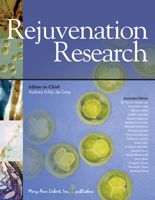
REJUVENATION RESEARCH Volume 8, Number 4, 2005. JUSTIN L. MOTT,* DEKUI ZHANG,* and HANS PETER ZASSENHAUS

ABSTRACT
Studies of mice with accumulated mtDNA (Mitochondrial DNA) mutations in the heart lead us to propose that apoptotic signaling and cell death is central to the pathogenesis of mtDNA mutations in aging. It is the cellular response to that apoptotic signaling and the organ’s compensatory response to a loss of cells that specify the phenotype of an accumulation of mtDNA mutations. In the heart, cardiomyocytes induce a vigorous anti-apoptotic, pro-survival response to counteract mitochondrial apoptotic signaling. The heart up-regulates contractility of remaining myocytes in order to maintain cardiac output. We hypothesize that mutant mitochondrial proteins originate apoptotic signaling by interacting with proteins already in place in the mitochondrial outer membrane that regulate apoptosis, for example the pro-apoptotic protein Bak. Since it is unlikely that all mutant mitochondrial proteins have the necessary structure and localization within the inner membrane to activate Bak appropriately, only a small fraction of an age-associated burden of mtDNA mutations may be pathogenic. In this model, reactive oxygen species generated by mitochondrial respiration drive the formation of mtDNA mutations, but are not the primary mechanism for their pathogenicity.

Summary
MITOCHONDRIAL DNA (mtDNA) mutations accumulate with age and disease. These sporadic mutations randomly affect the mitochondrial genome, and thus a mutation at any particular nucleotide position is rare. Even with advanced age, the frequency of mutations generally does not exceed 1% in otherwise normal individuals. Thus, for these mutations to cause disease or senescence, the cell needs to be very sensitive to mtDNA mutations. Recent evidence suggests that the burden of point mutations in mtDNA may be higher than previously thought, so that estimates extrapolate to an average of three point mutations per genome in the aged brain. Still, given the random distribution of those mutations and the multiple copies of mtDNA per mitochondrion, their effect on respiratory function would be expected to be slight.

Despite their low frequency, mtDNA mutations are still more common than nuclear DNA mutations. Because of the compact nature of the mitochondrial genome, these mutations are also more likely to affect a coding region. Due to heterogeneity, the mutation level may be higher in a given cell than the overall average of the tissue. At the next level of compartmentalization, the mitochondrion itself will have an even higher proportion of mutant genomes. Consider a cell that has only a single mutation on a background of maybe 1000 wildtype mitochondrial genomes. The tissue mutation level may be undetectable, the cellular mutation level would be 1/1000 genomes. But the level of the mutation in the affected mitochondrion would be 10–50% (given two to 10 genomes in this prototypical mitochondrion). If mtDNA mutations contribute to disease, the signaling mechanism must sense the high proportion of mutation within a mitochondrion, not the low proportion of a cell or tissue. The central tenet of the mitochondrial theory for aging is that those signals are reactive oxygen species (ROS), natural byproducts of mitochondrial respiration. The ensuing oxidative damage mutates mtDNA, leading in turn to even more ROS because of malfunctioning respiratory enzyme complexes, all of which, with the exception of Complex II, contain protein subunits encoded within mtDNA. The “vicious cycle” of ever increasing frequencies of mtDNA mutations and oxidative damage ultimately causes cellular senescence, in part because of accruing oxidative damage and in part because of declining mitochondrial oxidative phosphorylation. We argue here that apoptotic signaling is the primary pathogenic mechanism of mtDNA mutations in aging. It is now well established that mitochondria play a central role in amplifying cellular apoptotic signals within the intrinsic pathway for apoptosis. It is within mitochondrial membranes where interactions take place among pro- and anti-apoptotic proteins such as Bak, Bax, and Bcl2 to regulate outer membrane permeabilization and cytochrome c release, unleashing the caspase cascade culminating in apoptosis. We propose that mutant mitochondrially encoded proteins tap into that machinery already in place so as to originate apoptotic signals. At any one moment, most cells sensing those signals suppress execution of apoptosis by up-regulation of antiapoptotic proteins. Nevertheless, some cells succumb. Finally, we will present a hypothesis bearing on the molecular mechanism(s) for how mutant proteins might originate apoptotic signaling—a process we view as a mitochondrial misfolded protein response.

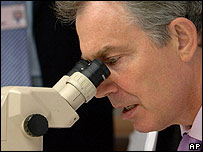
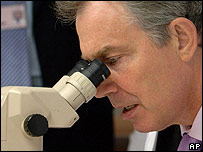
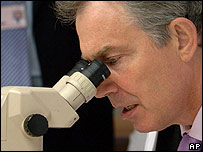
Tony Blair's 'light of science' vision

Listen to the 41 minute speech by Tony Blair on Science at The Royal Society or a 2 minute taster.

In 1963, a previous Labour prime minister, Harold Wilson, called for a new Britain to be "forged in the white heat of this [technological] revolution".

Nearly half a century on, Tony Blair is to call for more of the same. He told me that now, more than ever, our economic future is through "the brilliant light of science".

Unfinished business

This is a prime minister with a mission.

I want to enthuse our young people particularly with the prospect of working in science
Tony Blair

"It's not just about being a boffin in a laboratory - it's actually about practical application and transforming lives, tackling the world's problems and doing so in a very practical way."

Specialist colleges

Mr Blair has also presided over a time where the numbers of young people studying physics and chemistry have dwindled by a fifth. And a quarter of schools have no qualified physics teachers.

We've got to invest in science far more as a country
Tony Blair
This is a deficiency he acknowledges but says he's trying to put it right.

"We've got to invest in science far more as a country.

"The government is tripling investment in science - to recruit better science teachers - which is why we're offering all sorts of incentives for that to happen.

"We've got specialist science and technology colleges which we are creating."

However, investment is well short of the target set by the European Union's aim of being the "most competitive, dynamic knowledge-based economy in the world".

That's a statement from the EU's Lisbon Strategy which aims to match the US's research funding of about 3% of GDP by 2010.

Currently, Britain's is just over 1% but it is set to increase to 2.5% by 2015. Other EU member nations are moving even more slowly.

We should not get into the position of being anti-science as a country because how science is applied and how it's used is down to human beings to make decisions about
Tony Blair
The man who helped re-brand the Labour party believes that it's partly an image problem. It's a problem, he says, that's partly caused by the "antis" - the anti-GM groups, anti-vivisectionists and the anti-nuclear lobby that create a negative image of science.

"We should not get into the position of being anti-science as a country because how science is applied and how it's used is down to human beings to make decisions about.
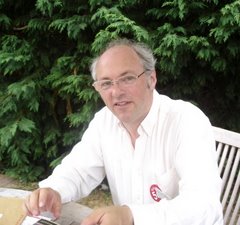
"But for us as a country, where the future is as a knowledge economy, science will, in my judgement, today and for future generations, be as important as economic stability was when we were handling the problems in the 1970s and 1980s and 1990s."

But that's what prime ministers have been saying for decades. Most researchers are delighted at what the government has done for them.

However, with huge research investment by India and China, senior researchers say that now is not the time to rest on laurels.

Exhortation and evangelism by the prime minister is welcomed - but on its own it, they say, it won't be enough.


'Irrational' science debated


Tony Blair has outlined what he believes is the damage that "irrational public debate" can have on our understanding of science.

Steve Jones, professor of genetics at University College London and Dr Doug Parr, Greenpeace's chief scientific adviser debate the issues.

Tony Blair on Science


Note: This article contains the entire interview with Tony Blair. Edited highlights of this interview were published in the print edition of New Scientist - that shorter version is available here.

Audio: Download our exclusive podcast of the entire interview here (11MB, mp3 format).

During the 10 years he has been in office, British prime minister Tony Blair has presided over some dramatic developments in science and the way it has impacted on society in the UK, from advances in cloning to the closening relationship between science and business.

He’s also been in power during two hugely controversial incidents: the refusal of people in Europe to accept GM crops, and the refusal of British parents to have their children vaccinated with the measles, mumps and rubella vaccine.

On the eve of an important speech Blair is making on the future of UK science, he talked to Jeremy Webb about why he thinks science is so important to society, where he think things went wrong with GM and MMR, and how such issues would be resolved far more easily if scientists engaged more in the public debate.

How good were you at science at school?

I’m very open about this. I was very poor at science at school. I’ve become a lot more interested in it in later life, and I’ve also started to regret that when I was younger I didn’t engage with it more fully and learn more.

Why didn’t you?

I found the basic concepts difficult to understand. It’s only in later life I’ve started to think about it more and look at it more. It’s also only as a political leader that I’ve really taken to the importance of science to the country’s future, and that’s how I’ve come to it now. So I don’t pretend any scientific knowledge but I do I think understand it’s importance to Britain’s future.

What do you think are the virtues of science?

For the future of the British economy, it is as important as economic stability. If we do not take the opportunities that are there for us in science then we are not going to have a successful modern economy. We will be outcompeted on labour costs: you can export capital and technology anywhere. It is our human capital that is the most important and it is at the cutting edge of science that our human capital can be most exploited for the country’s future.

We’ve got to give the country a great deal more confidence about science and it’s place in the future. I first talked about this a few years back, and everything I have seen here and around the world has only increased my sense of its importance.

Many scientists get in to science because of what they can discover about the universe. Do you follow this side of science at all?

One of the reasons we have more than doubled the science budget, why we have introduced the research and development tax credit, and why we encourage so much the link between the academic and business world, is because Britain has been very good at invention and discovery and not so good at its commercial exploitation. For me, those two things go together.

How do you bridge the gap between science as an academic interest-discovering more about the universe-and science as an commercial enterprise?

You need a certain amount of pure research, and the excitement and creativity of scientific discovery. But if you also have universities and research centres sufficiently in tune to what is going on in the private sector, then hopefully discoveries will be made that have a real utility. In areas like climate change and the biosciences, we should be the lead nation. We have a lot of strengths in science and we have to build those. I’d like to see us getting high quality science teachers in schools, and also having businesses getting involved in how science is taught in the classroom.

How do you get more schoolchildren inspired by science?

I would like to see some of the leading entrepreneurs in the scientific field-both academics and business people-going into the schools and giving children a sense of excitement, not just about scientific discovery but also about the huge job opportunities in science today. In environmental technology we’ve gone from a few years ago 150,000 people employed in the field to almost half a million, and these people are going to make money.

The tendency when I was at school was to see science as something that “the boffin” did and business as something the hard-headed person did. Today there is an interaction between the business and academic worlds, and we should be intensifying that.

Is there a danger in making science close to business that you lose that sense of scientists as impartial-or is that idea past its time?

The more enthusiasm and inspiration you get around science, the more people realise that there are practical applications of science that are immensely exciting and rewarding, that generates support for the whole field of science. There are difficult issues to do with conflicts of interest that come up from time to time but I think that pales into insignificance given the huge boost that comes from science, for example when developing practical ways of meeting challenge of climate change.

The contribution that British industry makes towards research and development is considerably lower than in many other European countries and the US. How do you convince industry to pick up the challenge?

You need to convince them with the vision of business opportunities for the future. It is one reason why we’ve taken such a lead role on the climate change issue, other than the obvious reason to protect the climate. The government has made a big extra investment in science. We aren’t doing as well as we should, on the other hand there are improvements happening.

The research and development tax credit is worth almost two billion pounds now, and some industries such as pharmaceuticals are big investors here. Research and development is the future economically for the country. Over time, this is something we can put right.

You’ve been in power during two extraordinary science-related occurrences: the refusal of people to accept GM crops, and the refusals of parents to have their children vaccinated with the MMR vaccine. What have you taken away from those experiences?

The first is to be very careful about the media and its reporting of these things. The reporting of MMR was disgraceful. There was no real scientific basis for the allegations that were made and it’s caused a great deal of difficulty.

GM, I think, is a different issue. We’ve also had stem cell research, where the outcome has been rather different and more positive. The lesson I learn is that it’s best to start with the public good. In the GM debate, I used to say to people that a lot of the life-saving drugs now being produced are the product of the same type of science as GM crops. This is why you need scientists to be engaged fully in proper public debate. The public should have confidence in science, and the scientific community has to interact with the public to explain things. Once you explain these things, people at least see another point of view.

You said recently that if America doesn’t want stem cell research, we do. Why do you think George Bush is so wrong here, and do you see any ethical problems with stem cell research?

I think we have taken care of the ethical problems. There obviously are ethical issues to do with it, but I think that if it is the case that done properly and in a controlled way, and we have got all sorts of procedures around it, the fact is it can benefit people’s lives enormously.

But I think that we have approached that in the right way, just in the same way frankly, it is a different type of ethical issue but there are ethical issues about animal testing and you have to get those right and we have got actually the toughest regime in the world now. But on the other hand I have seen myself the experimentation that has been done in order to show how you can save lives through the treatment of heart disease for example and this is something that is right to do.

In certain areas, we seem to be moving further away from rational thought, whether it’s the rise of fundamentalist religious beliefs or the use of unproven alternative therapies. Do you see any shift in this direction?

I don’t. I think most people today have a rational view about science. My advice for the scientific community would be, fight the battles you need to fight. I wouldn’t bother fighting a great battle over, say, homeopathy. It’s not going to determine the future of the world. What is going to determine the future of the world, however, is the scientific community explaining-for example-the science of genetics and how it develops, or the issues to do with climate change. I think most people are prepared to be very rational about these issues.

There is a dimension that concerns and frightens scientists, let alone other people, because as the science progresses there are so many possibilities. I was in California recently seeing something of how genetics will develop in the future, and it is immensely exciting, but it will also raise a lot of issues. There will be massive questions around this. This is why the scientific community, just as it is coming out into the business community, has got to come out and engage in a very strong and deep dialogue with wider society.

I personally think people aren’t anti-science. I think as the stem cell debate showed, people come to a fairly rational point of view. However, I think people will be quite staggered at some of the scientific advances that are going to be possible and it’s important the scientific community is out and actually engaging with the issues.

One subject that is of great concern to scientists is creationism. There has been a suggestion that creationism is being taught in some British schools. What are your views on this?

This can be hugely exaggerated. I’ve visited one of the schools in question and as far as I’m aware they are teaching the curriculum in a normal way. If I notice creationism become the mainstream of the education system in this country then that’s the time to start worrying. As I’ve said, it’s really quite important for science to fight the battles it needs to fight. When MMR comes out, or stem cells, or GM, that’s the time to have a real debate.

What about the other big battle: climate change. Where do you go from here in that fight?

The next step is internationally to get a framework agreed with the major countries with a binding set of agreements for when the Kyoto protocol expires in 2012. I set up this process with the G8 countries plus China, India, Mexico, Brazil, South Africa. The agreements will incentivise private business and industry to go after the scientific and technology solutions. They’re out there, they just need to be developed and brought to market. Getting the right carbon price is absolutely vital for doing this. We should be world leaders in this area, so let’s do that.

How do you do that?

You do that not only through investing in renewables-we’re putting in several hundred million pounds-but also explaining to our business and academic world that there is going to be this opportunity. The same applies, more controversially, if we develop the new nuclear power stations. At least half the European countries are thinking about the next stages of nuclear power. Again, we have expertise in this area and we should develop it. Clean energy, clean coal, renewables, energey efficienty-this is going to be a vast market.

WANT to be the first one on your block to live to 100?

From New Scientist issue 2579 of New Scientist magazine, 25 November 2006, page 19

WANT to be the first one on your block to live to 100? You are in with a fighting chance if you're the first-born child of a young mother.

Natalia Gavrilova and Leonid Gavrilov of the University of Chicago sifted through data gathered on 991 centenarians born in the US between 1875 and 1899 and used US census and Social Security Administration records to reconstruct the family histories of 198 of them, searching for anything they had in common.

It turned out that first-born children were 1.7 times as likely as their siblings to live to be 100. An even stronger predictor of longevity was how young their mother was when they were born. Those whose mothers were less than 25 years old were twice as likely to survive beyond a century.

While the researchers aren't certain why this should be, they suspect younger mothers are less likely to have acquired latent infections during their life that could damage the health of the fetus. Younger mothers may also have better-quality eggs. "If the best, most vigorous maternal ova cells are used first - very early in life - this could explain why particularly young mothers produce particularly long-lived children," Gavrilov says.

The results were presented at a meeting of the Gerontological Society of America in Dallas, Texas, this week.

'Don't fall for the cult of immortality' Olshansky

'Don't fall for the cult of immortality'

says S Jay Olshansky in a reply to the de Grey article. What do the ancient purveyors of physical immortality all have in common? They are all dead. False promises'


S. Jay Olshansky: "Physical immortality is seductive"
S. Jay Olshansky

Some 1,700 years ago the famous Chinese alchemist, Ko Hung, became the prophet of his day by resurrecting an even more ancient but always popular cult, Hsien, devoted to the idea that physical immortality is within our grasp.

Ko Hung believed that animals could be changed from one species to another (the origin of evolutionary thought), that lead could be transformed into gold (the origin of alchemy), and that mortal humans can achieve physical immortality by adopting dietary practices not far different from today's ever-popular life-extending practice of caloric restriction.

THE ALTERNATIVE VIEW
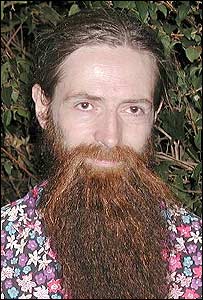
I think the first person to live to 1,000 might be 60 already
Aubrey de Grey

He found arrogant and dogmatic the prevailing attitude that death was inevitable and immortality impossible.

Ko Hung died at the age of 60 in 343 AD, which was a ripe old age for his time, but Hsien apparently didn't work well for him.

The famous 13th Century English philosopher and scientist, Roger Bacon, also believed there was no fixed limit to life and that physical immortality could be achieved by adopting the "Secret Arts of The Past". Let's refer to Bacon's theory as SATP.

According to Bacon, declines in the human lifespan occurred since the time of the ancient patriarchs because of the acquisition of increasingly more decadent and unhealthy lifestyles.

What do the ancient purveyors of physical immortality all have in common? They are all dead.
S Jay Olshansky
All that was needed to reacquire physical immortality, or at least much longer lives, was to adopt SATP - which at the time was a lifestyle based on moderation and the ingestion of substances such as gold, pearl, and coral - all thought to replenish the innate moisture or vital substance alleged to be associated with aging and death.

Bacon died in 1292 in Oxford at the age of 78, which was a ripe old age for his time, but SATP apparently didn't work well for him either.

Physical immortality is seductive. The ancient Hindus sought it, the Greek physician Galen from the 2nd Century AD and the Arabic philosopher/physician Avicenna from the 11th Century AD believed in it.

Alexander the Great roamed the world searching for it, Ponce de Leon discovered Florida in his quest for the fountain of youth, and countless stories of immortality have permeated the literature, including the image of Shangra-La portrayed in James Hilton's book Lost Horizon, or in the quest for the holy grail in the movie Indiana Jones and the Last Crusade.

What do the ancient purveyors of physical immortality all have in common? They are all dead.

Prophets of immortality

I was doing a BBC radio interview in 2001 following a scientific session I had organised on the question of how long humans can live, and sitting next to me was a young scientist, with obviously no sense of history, who was asked the question: "how long will it be before we find the cure for ageing?"

Roger Bacon, English philosopher
Roger Bacon thought immortality lay in the Secret Arts of The Past
Without hesitation he said that with enough effort and financial resources, the first major breakthrough will occur in the next 5-10 years.

My guess is that when all of the prophets of immortality have been asked this question throughout history, the answer is always the same.

The modern notion of physical immortality once again being dangled before us is based on a premise of "scientific" bridges to the future that I read in a recently published book entitled Fantastic Voyage by the techno-guru Ray Kurzweil and physician Terry Grossman.

They claim unabashedly that the science of radical life extension is already here, and that all we have to do is "live long enough to live forever".

What Kurzweil and others are now doing is weaving once again the seductive web of immortality, tantalising us with the tale that we all so desperately want to hear, and have heard for thousands of years - live life without frailty and debility and dependence and be forever youthful, both physically and mentally.

The seduction will no doubt last longer than its proponents.

'False promises'

To be fair, the science of ageing has progressed by leaps and bounds in recent decades, and I have little doubt that gerontologists will eventually find a way to avoid, or more likely delay, the unpleasantries of extended life that some say are about to disappear, but which as anyone with their eyes open realises is occurring with increasing frequency.

There is no need to exaggerate or overstate the case by promising that we are all about to live hundreds or even thousands of years.

The fact is that nothing in gerontology even comes close to fulfilling the promise of dramatically extended lifespan, in spite of bold claims to the contrary that by now should sound familiar.

What is needed now is not exaggeration or false promises, but rather, a scientific pathway to improved physical health and mental functioning.

If we happen to live longer as a result, then we should consider that a bonus.

S Jay Olshansky is a professor at the School of Public Health, UIC and author of The Quest for Immortality.


Friday, November 24, 2006

How to live long and prosper - "I think the first person to live to 1,000 might be 60 already." de Gray


Gerontology is the study of Ageing. Biogerontology is the subfield of gerontology dedicated to studying the specifically biological processes resulting in senescence. Biogerontologists are scientists who study these processes. Biomedical gerontologists are scientists who work to control, prevent, and reverse aging in both humans and animals. eg. Aubrey de Grey who extols The Seven Causes of Aging:-

  1. Nuclear Mutations/Epimutations:
    These are changes to the DNA, the molecule that contains our genetic information, or to proteins which bind to the DNA. Certain mutations can lead to cancer.
  2. Mitochondrial Mutations:
    Mitochondria are components in our cells that are important for energy production. They contain their own genetic material, and mutations to their DNA can affect a cell’s ability to function properly. Indirectly, these mutations may accelerate many aspects of aging.
  3. Intracellular Junk:
    Our cells are constantly breaking down proteins and other molecules that are no longer useful or which can be harmful. Those molecules which can’t be digested simply accumulate as junk inside our cells. Atherosclerosis, macular degeneration and all kinds of neurodegenerative diseases (such as Alzheimer's disease) are associated with this problem.
  4. Extracellular Junk:
    Harmful junk protein can also accumulate outside of our cells. The amyloid plaque seen in the brains of Alzheimer’s patients is one example.
  5. Cell Loss:
    Some of the cells in our bodies cannot be replaced, or can only be replaced very slowly - more slowly than they die. This decrease in cell number causes the heart to become weaker with age, and it also causes Parkinson's disease and impairs the immune system.
  6. Cell Senescence:
    This is a phenomenon where the cells are no longer able to divide, but also do not die and let others divide. They may also do other things that they’re not supposed to, like secreting proteins that could be harmful. Immune senescence and type 2 diabetes are caused by this.
  7. Extracellular Crosslinks:
    Cells are held together by special linking proteins. When too many cross-links form between cells in a tissue, the tissue can lose its elasticity and cause problems including arterioscerosis and presbyopia.
Get a FREE full issue (Dec 2005) here. For example The SENS Challenge: $20,000 Says the Foreseeable Defeat of Aging Is Not Laughable:-

FOR THE PAST FIVE YEARS, I have been refining and promoting an approach to life extension termed “Strategies for Engineered Negligible Senescence” (SENS).1,2 SENS differs from other approaches (such as antioxidants, hormesis, or calorie restriction mimetics) in two main ways: firstly it is an approach to reversal (repair) of eventually pathogenic age-related changes (“damage”), as opposed to the retardation of their further accumulation, and secondly it is a piecemeal approach, in which the various types of such damage are addressed individually, rather than being simultaneously combated by the downstream effects of a single “magic bullet.”

As reported by the BBC De Grey says "I think the first person to live to 1,000 might be 60 already."

Life expectancy is increasing in the developed world. But Cambridge University geneticist Aubrey de Grey believes it will soon extend dramatically to 1,000. Here, he explains why.

Ageing is a physical phenomenon happening to our bodies, so at some point in the future, as medicine becomes more and more powerful, we will inevitably be able to address ageing just as effectively as we address many diseases today.

I claim that we are close to that point because of the SENS (Strategies for Engineered Negligible Senescence) project to prevent and cure ageing.

It is not just an idea: it's a very detailed plan to repair all the types of molecular and cellular damage that happen to us over time.

This means that all parts of the project should be fully working in mice within just 10 years and we might take only another 10 years to get them all working in humans.

When we get these therapies, we will no longer all get frail and decrepit and dependent as we get older, and eventually succumb to the innumerable ghastly progressive diseases of old age.

We will still die, of course - from crossing the road carelessly, being bitten by snakes, catching a new flu variant etcetera - but not in the drawn-out way in which most of us die at present.

I think the first person to live to 1,000 might be 60 already

So, will this happen in time for some people alive today? Probably. Since these therapies repair accumulated damage, they are applicable to people in middle age or older who have a fair amount of that damage.

It is very complicated, because ageing is. There are seven major types of molecular and cellular damage that eventually become bad for us - including cells being lost without replacement and mutations in our chromosomes.

Each of these things is potentially fixable by technology that either already exists or is in active development.

'Youthful not frail'

The length of life will be much more variable than now, when most people die at a narrow range of ages (65 to 90 or so), because people won't be getting frailer as time passes.

There is no difference between saving lives and extending lives, because in both cases we are giving people the chance of more life.

The average age will be in the region of a few thousand years. These numbers are guesses, of course, but they're guided by the rate at which the young die these days.

If you are a reasonably risk-aware teenager today in an affluent, non-violent neighbourhood, you have a risk of dying in the next year of well under one in 1,000, which means that if you stayed that way forever you would have a 50/50 chance of living to over 1,000.

And remember, none of that time would be lived in frailty and debility and dependence - you would be youthful, both physically and mentally, right up to the day you mis-time the speed of that oncoming lorry.

Should we cure ageing?

Curing ageing will change society in innumerable ways. Some people are so scared of this that they think we should accept ageing as it is.

I think that is diabolical - it says we should deny people the right to life.

The right to choose to live or to die is the most fundamental right there is; conversely, the duty to give others that opportunity to the best of our ability is the most fundamental duty there is.

There is no difference between saving lives and extending lives, because in both cases we are giving people the chance of more life. To say that we shouldn't cure ageing is ageism, saying that old people are unworthy of medical care.

Playing God?

People also say we will get terribly bored but I say we will have the resources to improve everyone's ability to get the most out of life.

People with a good education and the time to use it never get bored today and can't imagine ever running out of new things they'd like to do.

And finally some people are worried that it would mean playing God and going against nature. But it's unnatural for us to accept the world as we find it.

Ever since we invented fire and the wheel, we've been demonstrating both our ability and our inherent desire to fix things that we don't like about ourselves and our environment.

We would be going against that most fundamental aspect of what it is to be human if we decided that something so horrible as everyone getting frail and decrepit and dependent was something we should live with forever.

If changing our world is playing God, it is just one more way in which God made us in His image.

Aubrey de Grey leads the SENS project at Cambridge University and also runs the Methuselah Mouse prize for extending age in mice.

'Don't fall for the cult of immortality'
says S Jay Olshansky in a reply to above de Grey article.
What do the ancient purveyors of physical immortality all have in common? They are all dead. False promises'

Diabetes Test

Sharon got her Capillary Plasma Glucose (Random) tested. It was 4.9 millimoles per Litre . All ok. But mine was 6.1 mm/L. Which is borderline fail (range 6.0-12.0mm/L). I'm on a fast tonight. The next day the fasting test gave a result of 5.9mm Glucose/L. A retest is required in 3 years, according to the nurse.

From Lloyds Pharmacy - a Free Diabetes Test:

There are 1.8M diagnosed with diabetes in the UK. There are thought to be up to 1 million people undiagnosed with Type 2 diabetes in the UK. That is why Lloydspharmacy are working with Diabetes UK, (diabetes myths) the charity for people with diabetes, to offer a free diabetes tests to help identify your risk of developing the condition.

Unfortunately, by the time that many people are diagnosed with diabetes they have already developed serious complications. Long term complications associated with diabetes include:

  • High blood pressure
  • Coronary heart disease and stroke
  • High cholesterol
  • Eye damage and blindness
  • Kidney failure
  • Nerve damage
  • Leg ulcers

We can check your blood glucose level by doing a simple test which is available to anyone aged over 16. Our pharmacists can also advise you on ways of reducing your chance of developing diabetes later in life and offer guidance on leading a healthy lifestyle. The service is free and no appointment needed (dont eat or drink for 2 hours before the test).

To get a diabetes test, please use the pharmacy finder to find your local Lloydspharmacy.

What is diabetes?

Diabetes is a condition in which the amount of glucose (sugar) in the body is too high because the body is unable to use it properly. Glucose provides the body with energy and is mainly obtained from the digestion of starchy foods such as bread, rice and potatoes and from sugar and other sweet foods.

After eating, the level of glucose in the blood increases and the pancreas releases a hormone called insulin. Insulin regulates your glucose levels to prevent them from becoming too high or too low. If you have diabetes, the body either produces too little insulin, or resists its effects. The body then uses other sources of energy and unused glucose builds up in the blood.

Download the diabetes leaflet (PDF document)

Diagnostic criteria ex Wikipedia

Diabetes mellitus is characterized by recurrent or persistent hyperglycemia (high glucose levels), and is diagnosed by demonstrating any one of the following:[1]
  • fasting plasma glucose level at or above 126 mg/dL or 7.0 mmol/l.
  • plasma glucose at or above 200 mg/dL or 11.1 mmol/l two hours after a 75 g oral glucose load in a glucose tolerance test.
  • random plasma glucose at or above 200 mg/dL or 11.1 mmol/l.

By definition, two fasting glucose measurements above 126 mg/dL or 7.0 mmol/l is considered diagnostic for diabetes mellitus.

Patients with fasting sugars between 6.1 and 7.0 mmol/l (110 and 125 mg/dL) are considered to have "impaired fasting glucose" and patients with plasma glucose at or above 140mg/dL or 7.8 mmol/l two hours after a 75 g oral glucose load are considered to have "impaired glucose tolerance". "Prediabetes" is either impaired fasting glucose or impaired glucose tolerance; the latter in particular is a major risk factor for progression to full-blown diabetes mellitus as well as cardiovascular disease.