Showing posts with label cholesterol. Show all posts

Monday, April 02, 2007

Blueberries tackle bowel cancer


Blueberries
Other studies suggest blueberries may fight cancer and diabetes
A compound in blueberries may be good for preventing bowel cancer, US scientists believe.

The key ingredient, pterostilbene, is a natural antioxidant and mops up highly reactive molecules called free radicals that can trigger cancer growth.

Similar antioxidants have already been identified in grapes and red wine, the American Chemical Society heard.

Other work, also in mice, suggests pterostilbene may be good for lowering blood cholesterol too.

Berry good

The researchers, from Rutgers University and the US Department of Agriculture, suggest the compound could be put into a pill.

Lead author Dr Bandaru Reddy said that, in the meantime, their work showed the need to include more berries in the diet, "especially blueberries."

Rats given a cancer-causing agent but then fed pterostilbene had far fewer pre-cancers in their bowels than other rats.

The blueberry compound also reduced inflammation and the rate of cell division in the bowel, which are both considered to be cancer risk factors.

The best advice is to eat a healthy, balanced diet rather than rely on specific 'superfoods'
Ed Yong of Cancer Research UK

Although experts do not know the exact causes of colon cancer, the disease has been linked to a high intake of saturated fats and calories.

Dr Reddy and colleagues believe pterostilbene may be able to reverse this process, possibly by lowering fat levels like cholesterol.

Experts already recommend eating plenty of fruit and vegetables - at least five portions a day - to guard against cancer and other diseases.

Pterostilbene is also found in cranberries, sparkleberries, lingonberries and grapes.

Ed Yong of Cancer Research UK said: "While pterostilbene could lower the risk of bowel cancers in rats, it is unclear if it will produce the same benefits in humans.

"More research will help to determine whether this chemical could have a role in the fight against cancer."

"For the moment, the best advice is to eat a healthy, balanced diet rather than rely on specific 'superfoods,'" he added.

reposted from: bbc
my: highlights / emphasis / key points / comments

Saturday, February 17, 2007

Here's a more cerebral reason to lower your cholesterol

An unhealthy western diet could harm more than just your waistline - it may also increase your risk of Alzheimer's disease.

Earlier work on mice fed high-cholesterol diets found that their brain cells produced more amyloid beta, a protein linked to Alzheimer's. There is also evidence that taking cholesterol-lowering statins makes people less likely to develop late-onset Alzheimer's.

To better understand this link, Brett Garner of the Prince of Wales Medical Research Institute in Sydney, Australia, and his colleagues used human and animal cells to probe how neurons regulate their levels of cholesterol.

They found that "ABC proteins", which help control cholesterol levels in arterial walls by expelling cholesterol from the immune cells called macrophages where it builds up, were also present in neurons. When the team over-expressed the genes for these proteins in hamster and human cell lines, production of amyloid beta protein fell (Journal of Biological Chemistry, vol 282, p 2851).

The work also showed that an extracellular protein called apoE is extremely good at regulating cholesterol removal from neurons. One form of the gene for apoE is already recognised as the major genetic risk factor for late-onset Alzheimer's disease.

Garner suggests that drugs that increase expression of ABC transporters might slow the progression of Alzheimer's. Such drugs are already being used in cardiovascular research. "A lot of people think there could be converging factors involved in these diseases," Garner says.

From issue 2590 of New Scientist magazine, 08 February 2007, page 15

reposted from: New Scientist
my highlights / emphasis / comments

Wednesday, February 07, 2007

those at risk of less severe heart attacks should receive early heart X-rays - social background to be figured into risk assessment.

Experts' plan to cut heart deaths
Heart attack
Experts believe thousands of lives could be saved
A radical new approach to preventing heart disease could save more than 7,000 lives over the next five years, according to health professionals.

Experts are recommending a new approach which they say could also prevent 27,000 heart attacks and other "cardiac events" in Scotland.

About 500,000 more people could be in line to receive preventative treatment.

The plans, which recommend regular risk assessments for all over-40s, aim to target those most at risk.

They have been produced by the Scottish Intercollegiate Guidelines Network (Sign), which draws up guidelines for the NHS.

It recommends that more people should be given statin drugs to reduce cholesterol.

Lifestyle advice

The guidelines also recommend that, for the first time, doctors take into account social status when deciding whether people need treatment to prevent heart disease.

This could be based on the Scottish Index of Multiple Deprivation, which has been created by the Scottish Executive to identify areas of deprivation across Scotland.

It is expected that 50% of men in Scotland and 20% of women over the age of 40 could be prescribed cholesterol-lowering statins.

The guidelines would see the over-40s undergo a risk assessment every five years, at which they would also receive lifestyle advice.

The health professionals say that those at risk of less severe heart attacks should receive early heart X-rays and be assessed for possible surgery.

These guidelines could save lives, and improve the quality of life of people living with heart disease
Marjory Burns
British Heart Foundation Scotland

Patients with the most serious type of heart attack should be admitted to regional centres to have the blood clots and narrowed arteries removed and replaced with a device to keep the arteries open.

If this is not possible within 90 minutes of diagnosis, they should rapidly receive the most effective clot-busting drugs.

More patients with heart problems should be given implantable defibrillators to reduce the risk of sudden death and discharge arrangements for hospital patients with heart failure should be improved.

Professor Keith Fox of Sign said: "These guidelines bring together the most robust and up-to-date scientific evidence and the very best clinical expertise to detail how we can save thousands of people from developing and suffering the complications of heart disease.

"The result will be thousands of deaths avoided and tens of thousands of people whose lives will not be blighted by heart attacks, angina, heart failure, heart rhythm disorders and other complications that impair quality of life."

Heart diagram
More people will be screened for heart problems

He said family history and social background could also be figured into risk assessment.

Coronary heart disease (CHD) claimed more than 10,000 lives in Scotland last year.

However, deaths have fallen by 30% over the last 10 years - partly because of previous Sign guidelines, according to the experts.

Marjory Burns, director of the British Heart Foundation Scotland, welcomed the new "milestone".

"These guidelines could save lives and improve the quality of life of people living with heart disease, but they will only do so if they are adequately resourced and implemented," she said.

"We would also therefore call on the Scottish Executive to ensure that the political will and the resources are found to implement them fully."

INTERACTIVE DEPRIVATION MAP

Many computers will open this web page automatically, but you may need Adobe SVG Viewer

The chief executive of Chest, Heart and Stroke Scotland, David Clark, welcomed the new guidelines and reiterated the need for adequate funding.

He added: "We also need to keep up the message that the best ways to keep your heart healthy are to stop smoking, watch your diet and take more exercise."

It is estimated almost that 200 extra staff would be needed in the first five years of implementing the guidelines, with the total cost of putting the recommendations into practice estimated at £44m in the first year, rising to £78m in the sixth year.

A spokesman for the Scottish Executive said the guidelines set out a long-term vision for preventing and treating coronary heart disease.

"The recommendations in the guidelines about prevention sit well with our anticipatory care programme, Keep Well, which is about increasing the rate of health improvement in the most deprived communities," he added.

reposted from: BBC
my highlights / emphasis / edits

Tuesday, February 06, 2007

Calculator for risk of cardiovascular disease over 10 years

ASSIGN - new risk scoring tool

Existing risk calculators, such as that from Framingham, underestimate risk in deprived groups and in people from ethnic minorities such as British Asians. By adding social deprivation and family history to the formula we have produced a new tool for estimating risk, ASSIGN, which has the potential to reduce some of the social inequalities inherent in current CVD risk calculation methods. The new ASSIGN score is being evaluated for adoption in Scotland by Professor Hugh Tunstall-Pedoe and Professor Mark Woodward who led the project to develop ASSIGN.

Check YOUR Risk here.

Chris Street: 8% risk of cardiovascular disease over 10 years.

Google Search: "Hugh Tunstall-Pedoe" ASSIGN

Press release from University of Dundee, Scotland, 7th November 2006

Heart. 2006 Nov 7;: 17090561

Adding social deprivation and family history to cardiovascular risk assessment-the ASSIGN score from the Scottish Heart Health Extended Cohort (SHHEC).

Cholesterol reducing Statins to be recommended by NHS, Scotland to 50% of men over 40

Experts' plan to cut heart deaths.
Heart attack
Preventative treatment could prevent thousands of deaths
A radical new approach to preventing heart disease could save more than 7,000 lives over the next five years, according to health professionals.

Experts are recommending a new approach which they say could also prevent 27,000 heart attacks and other "cardiac events" in Scotland.

About 500,000 more people could be in line to receive preventative treatment.

The plans, which recommend regular risk assessments for all over-40s, aim to target those most at risk.

They have been produced by the Scottish Intercollegiate Guidelines Network (Sign), which draws up guidelines for the NHS.

It recommends that more people should be given statin drugs to reduce cholesterol.

reposted from: BBC
my highlights / emphasis / edits

REGISTER TODAY FOR GLASGOW: sign heart disease guidelines launch event SECC, Glasgow • Tuesday 6th February 2007

ASSIGN - new risk scoring tool

Existing risk calculators, such as that from Framingham, underestimate risk in deprived groups and in people from ethnic minorities such as British Asians. By adding social deprivation and family history to the formula we have produced a new tool for estimating risk, ASSIGN, which has the potential to reduce some of the social inequalities inherent in current CVD risk calculation methods. The new ASSIGN score is being evaluated for adoption in Scotland.
Professor Hugh Tunstall-Pedoe and Professor Mark Woodward who led the project to develop ASSIGN, and Dr Jim Grant, chair of the SIGN risk estimation subgroup will demonstrate the system, discuss the rationale behind this new development and take part in a Q&A session.

Lifestyle advice

The guidelines also recommend that, for the first time, doctors take into account our social status when deciding whether people need treatment to prevent heart disease.

It is expected that 50% of Scottish men and 20% of women over the age of 40 could be prescribed cholesterol-lowering statins.

The guidelines would see the over-40s undergo a risk assessment every five years, at which they would also receive lifestyle advice.

The health professionals say that those at risk of less severe heart attacks should receive early heart x-rays and be assessed for possible surgery.

These guidelines could save lives, and improve the quality of life of people living with heart disease
Marjory Burns
British Heart Foundation Scotland

Patients with the most serious type of heart attack should be admitted to regional centres to have the blood clots and narrowed arteries removed and replaced with a device to keep the arteries open.

If this is not possible within 90 minutes of diagnosis, they should rapidly receive the most effective clot-busting drugs.

More patients with heart problems should be given implantable defibrillators to reduce the risk of sudden death and discharge arrangements for hospital patients with heart failure should be improved.

Professor Keith Fox of Sign said: "These guidelines bring together the most robust and up-to-date scientific evidence and the very best clinical expertise to detail how we can save thousands of people from developing and suffering the complications of heart disease.

"The result will be thousands of deaths avoided and tens of thousands of people whose lives will not be blighted by heart attacks, angina, heart failure, heart rhythm disorders and other complications that impair quality of life."

'Milestone' welcomed

He said family history and social background could also be figured into risk assessment.

Coronary heart disease (CHD) claimed more than 10,000 lives in Scotland last year.

However, deaths have fallen by 30% over the last 10 years - partly became of previous SIGN guidelines, according to the experts.

Marjory Burns, director of British Heart Foundation Scotland, welcomed the new "milestone".

Extra staff

"These guidelines could save lives and improve the quality of life of people living with heart disease, but they will only do so if they are adequately resourced and implemented," she said.

"We would also therefore call on the Scottish Executive to ensure that the political will and the resources are found to implement them fully."

It is estimated almost that 200 extra staff would be needed in the first five years of implementing the guidelines, with the total cost of putting the recommendations into practice estimated at £44m in the first year, rising to £78m in the sixth year.

A spokesman for the Scottish Executive said the guidelines set out a long-term vision for preventing and treating coronary heart disease.

"The recommendations in the guidelines about prevention sit well with our anticipatory care programme, Keep Well, which is about increasing the rate of health improvement in the most deprived communities," he added.

Tuesday, January 30, 2007

Human metabolism recreated in lab

Cells in dishes
Scientists can use the virtual model instead of working on real cells
US researchers say they have created a "virtual" model of all the biochemical reactions that occur in human cells.

They hope the computer model will allow scientists to tinker with metabolic processes to find new treatments for conditions such as high cholesterol.

It could also be used to individually tailor diet for weight control, the University of California team claimed.

Their development is reported in the journal, Proceedings of the National Academy of Sciences.

A team of six bioengineering researchers at the University of California analysed the human genome to see what genes corresponded to metabolic processes, such as those responsible for the production of enzymes.

They spent a year manually going through 1,500 books, review papers and scientific reports from the past 50 years before constructing a database of 3,300 metabolic reactions.

The information was then used to create a network of metabolic processes in the cell, similar to a traffic network.

You could make a metabolic model for an individual person which is a tantalising prospect
Professor Bernhard Palsson

Study leader Professor Bernhard Palsson said the network could be used to see what would happen if a drug was used to target a specific metabolic reaction, such as the synthesis of cholesterol.

Or it could be used to predict what would happen if you interfere with a metabolic reaction in a specific type of cell, such as a blood or heart cell.

And eventually it could even be used to create an individual network for a person.

"The new tool we've created allows scientists to tinker with a virtual metabolic system in ways that were, until now, impossible, and to test the modelling predictions in real cells," said Mr Palsson, who is professor of bioengineering and medicine.

"You can take a drug target and you can make the flow through that reaction more and more restrictive or you can calculate all the reactions that you have to go through to make a certain product."

Metabolism

Metabolic reactions in cells include those which convert food sources, such as fats, protein and carbohydrate into energy and to make other molecules used by the body.

There are hundreds of human disorders which are a result of problems with metabolism.

One example is haemolytic anaemia, a condition where red blood cells are broken down too rapidly.

To test the computer model, the team ran 288 different simulations, such as the synthesis of hormones, testosterone and oestrogen, and the metabolism of fat from the diet.

"We all have natural variation in the capacity of these pathways, for example in our ability to make cholesterol, so you could make a metabolic model for an individual person which is a tantalising prospect."

Keith Frayn, professor of human metabolism at the University of Oxford, said the model would allow scientists to spot potential problems with targeting certain reactions early on in their research.

"It's increasingly recognised there are these networks of metabolism and we need to know if we target something how that will spread out and this is potentially a way of dealing with that."

Dr Anthony Wierzbicki, consultant in specialist laboratory medicine at St Thomas's hospital, has done a lot of work on the role of cholesterol in heart disease.

"This is a potentially interesting tool for investigating metabolism of which cholesterol biochemistry forms a part," he said.

But he added that the model would have to be "sophisticated" enough to predict what happens in the production and breakdown of cholesterol as well how it is absorbed from the gut as the two were closely linked.

reposted from: http://news.bbc.co.uk/1/hi/health/6310075.stm
my highlights / edits

Thursday, January 04, 2007

individuals with a 1% risk of heart attack or stroke, 35 or older, could benefit from taking statins to lower cholesterol.

My risk of a heart attack or stroke is 1-2% according to my recent cholesterol and blood pressure tests. Should I take statins?

Widening the use of statins, beyond current guidelines to people at low risk of heart attack or stroke, could be beneficial reported three newspapers (10 November 2006). The papers gave an accurate summary of a cost-effectiveness study, though the model had limitations that should be considered when interpreting the findings.

  • Three newspapers (1-3) reported that individuals with a 1% risk of heart attack or stroke, who are as young as 35, could benefit from taking statins to lower cholesterol. Two reported that the cost of prescribing statins for people at lower risk than currently receive this medication was less than the cost of caring for patients who have a heart attack or stroke (2,3).

  • The newspaper articles are based on a cost-effectiveness model (4). The researchers extrapolated data from a randomised controlled trial of patients with heart disease or diabetes comparing the drug simvastatin to placebo for an average of five years. They used the data to develop a model assessing the lifetime cost effectiveness of taking statins and the cost effectiveness of using the drug with older and younger age groups and people at lower risk of disease than those included in the RCT. The authors concluded that treatment with statins is cost-effective in a wider population than is currently routinely treated based on current UK guidelines.

  • The newspaper articles were accurate in their report of the research. However, the research did not aim to investigate the benefits of taking statins in lower risk groups; it was specifically concerned with cost-effectiveness. It is not clear that all relevant costs were considered in the analysis. Further, the exclusion of adverse events, given the life time horizon of the analysis, is likely to impact on the results obtained. The results should be interpreted in the context of these limitations.

Systematic reviews

Information staff at CRD searched for systematic reviews relevant to this topic. Systematic reviews are valuable sources of evidence as they locate, appraise and synthesize all available evidence on a particular topic.

There was one related systematic review identified on the Cochrane Database of Systematic Reviews (CDSR) (5) and one review which is currently being undertaken and will be available in the future (6). Five related systematic reviews were identified on the Database of Abstracts of Reviews of Effects (DARE) (7-11).

References and resources

1. 'Widen use of cholesterol drug'. The Independent, 10 November 2006, p22.

2. Lifesaver that costs £4 a month. Daily Express, 10 November 2006, p25.

3. Put 6m patients on statins, say doctors. Daily Mail, 10 November 2006, p4.

4. Heart Protection Study Collaborative Group. Lifetime cost effectiveness of simvastatin in a range or risk groups and age groups derived from a randomised controlled trial of 20 536 people. BMJ Online First.

5. Manktelow B, Gillies C, Potter JF. Interventions in the management of serum lipids for preventing stroke recurrence. Cochrane Database of Systematic Reviews 2002, Issue 3. Art. No.: CD002091. DOI: 10.1002/14651858.CD002091

6. Moore THM, Bartlett C, Burke MA, Davey Smith G, Ebrahim SBJ. Statins for preventing cardiovascular disease. (Protocol) Cochrane Database of Systematic Reviews 2004, Issue 2. Art. No.: CD004816. DOI: 10.1002/14651858.CD004816.

7. Vrecer M, Turk S, Drinovec J, Mrhar A. Use of statins in primary and secondary prevention of coronary heart disease . and ischemic stroke: meta-analysis of randomized trials. International Journal of Clinical Pharmacology and Therapeutics, 2003;41(12):567-557. [DARE Abstract]

8. Law M R, Wald N J, Rudnicka A R. Quantifying effect of statins on low density lipoprotein cholesterol, ischaemic heart disease, and stroke: systematic review and meta-analysis. BMJ, 2003;326:1423-1427. [DARE Abstract]

9. Balk E M, Lau J, Goudas L C, Jordan H S, Kupelnick B, Kim L U, Karas R H. Effects of statins on nonlipid serum markers associated with cardiovascular disease. Annals of Internal Medicine, 2003;139(8):670-682. [DARE Abstract]

10. Cheung B M, Lauder I J, Lau C P, Kumana C R. Meta-analysis of large randomized controlled trials to evaluate the impact of statins on cardiovascular outcomes. British Journal of Clinical Pharmacology, 2004;57(5):640-651. [DARE Abstract]

11. Amarenco P, Labreuche J, Lavallee P, Touboul P J. Statins in stroke prevention and carotid atherosclerosis: systematic review and up-to-date meta-analysis. Stroke, 2004;35(12):2902-2909. [DARE Abstract]

Consumer information

British Heart Foundation

NHS Direct - cholesterol

Previous Hitting the Headlines summaries on this topic

'Statins cut heart risk for diabetics'. Hitting the Headlines archive, 8 June 2004.

Wednesday, January 03, 2007

Bandolier reviews statins

In these pages contain stories from Bandolier relating to statins.

Probably the best review I've found on Statins: A 30-page (450 kb) essay on Statins summarises what is here.

To choose which statin to use is here.

Sunday, December 31, 2006

European Guidelines on CardioVascualar Disease


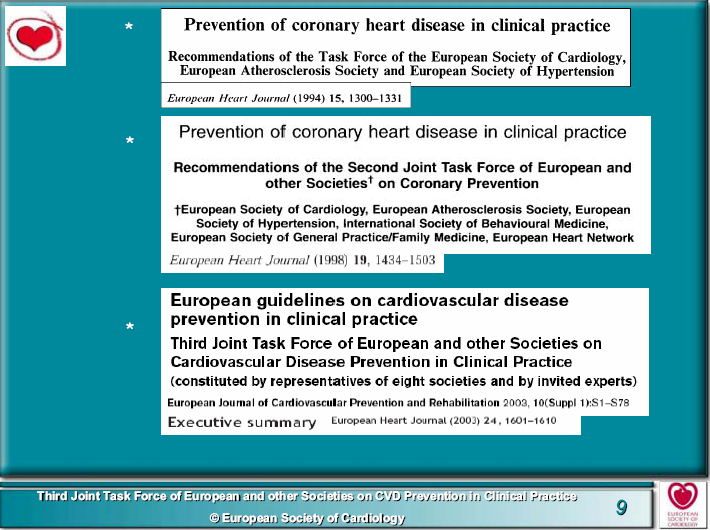
Exec summary - "European Guidelines on Cardiovascular disease (CVD) prevention in clinical practice" - download pdf (from our server) or here Download a series of excellent slides (updated Dec 2003).

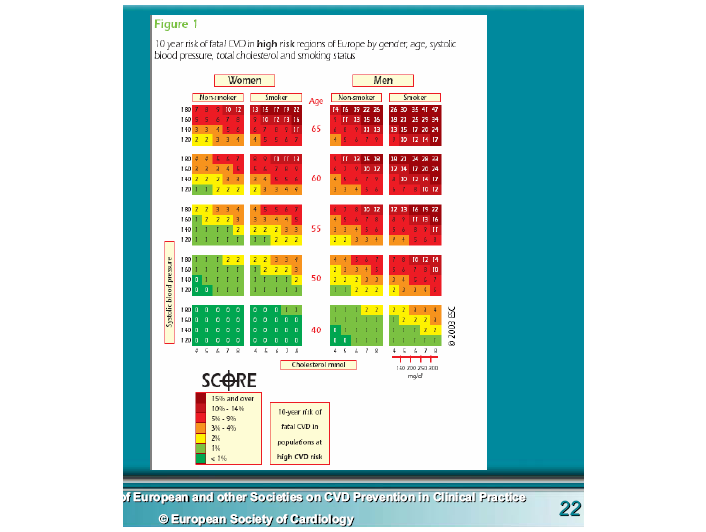
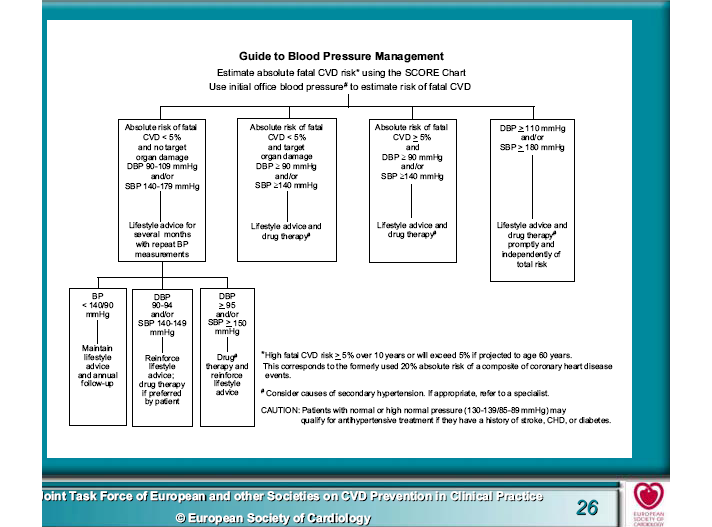
This new model for total risk estimation based on the SCORE (Systematic Coronary Risk Evaluation) system.

The SCORE risk assessment is derived from a large dataset of prospective European studies and predicts fatal atherosclerotic CVD events over a ten year period.

This risk estimation is based on the following risk factors: gender, age, smoking, systolic blood pressure and total cholesterol. The threshold for high risk based on fatal cardiovascular events is defined as "higher than 5%" , instead of the previous "higher than 20%" using a composite coronary endpoint.

Using HeartScore total CVD risk can also be projected to age 60 which may be of particular importance for guiding young adults, at the age of 20 or 30, at low absolute risk, but already with an unhealthy risk profile, which will put them at much higher risk when they grow older.

Relative risk can also be estimated from the pie charts. You can read more about the SCORE project in European Heart Journal, 2003, 24; 987-1003. source: European Society of Cardiology

Statins to reduce heart attacks or strokes

Chris Street edits in bold.

New Scientist magazine (7th October 2006) reports on the use of Statins to reduce heart attacks or strokes.

"So you think you're healthy? You are in your 40s, feel right as rain, normal blood pressure, normal cholesterol, pretty good diet, occasional exercise. How would you react if your doctor suggested you take a powerful drug every day for the rest of your life? The drug, known as a statin, will lower your cholesterol even further and reduce your risk of a heart attack or stroke.

According to one recent estimate, most men and many women over 40 could benefit from the drugs.

If you are worried about side effects, your doctor will reassure you that a meta-analysis that pooled data from 14 trials involving more than 90,000 people shows the treatment is very safe.

The same study suggests that even if your cholesterol level is normal, taking a statin can still reduce your cardiovascular risk. And the greater your risk - if you smoke, suffer from high blood pressure or diabetes, or have a family history of heart disease, for example - the greater the potential benefits."

New Scientist says "Lowering cholesterol is beneficial in pretty much everyone who has been studied," says Colin Baigent, who coordinated the meta-analysis by the Clinical Trial Service Unit (CTSU) at the University of Oxford. "It doesn't really matter what the cholesterol level is. It could be average or even low, but if you reduce it even further in a person who is at high risk you get benefits." Statins also have anti-inflammatory properties, and have shown promising results when used to treat diseases like rheumatoid arthritis, multiple sclerosis and Alzheimer's. Some research even suggests they can help tackle viral infections such as hepatitis C and HIV.

Can any drug really be that good? As enthusiastic doctors put ever more people on statins, sceptics are warning that we don't know enough about the possible adverse effects of taking them over a lifetime.

Others claim that statins' potency against heart disease has little to do with lowering cholesterol and instead results from their anti-inflammatory properties, leading some to dismiss them as "expensive aspirin". So could the rush to put millions more people on statins be a costly mistake?"

"The association between cholesterol, its transport in the bloodstream by a protein called low-density lipoprotein and heart disease is fairly well established. Cholesterol in the form of LDL, so-called "bad cholesterol", can infiltrate the walls of coronary arteries, contributing to the formation of a fibrous plug of immune cells called a plaque. If this ruptures it can trigger the formation of a blood clot that blocks the artery and starves the heart of oxygen - a heart attack, in other words. Equally disastrously, the clot can break free and block arteries in the brain, triggering a stroke."

"Some doctors, however, are alarmed by the trend towards dishing out statins to millions more people and giving higher dosages to lower cholesterol even further. They say the benefits for those who do not already have heart disease are small, while the potential risks are largely unknown. "What price should you pay for a modest effect?" Sutter asks. "The price shouldn't be very high because the effect is weak at best." A 20 per cent reduction in cardiovascular risk may sound impressive, but it doesn't look quite as good when you realise what it means for each individual: if your risk of having a heart attack over the next five years is 5 per cent, say, then taking statins will reduce it only to 4 per cent."

"Sutter and others say that statin researchers have failed to report adverse effects in enough detail to allow doctors and patients to weigh the potential costs against the benefits. "There's no good reporting of adverse effects at high doses and very modest reporting even at moderate doses," Sutter says. "If you are prescribed a statin, the doctor expects you to take it for the rest of your life," says Uffe Ravnskov, an independent researcher and former hospital doctor based in Lund, Sweden, who runs The International Network of Cholesterol Skeptics. He claims almost half of patients have adverse effects."

"Alleged side effects include memory loss, extreme irritability, aggression, suicidal impulses and impotence. Evidence for these remains sketchy, however, coming from small trials and case studies. Statins do cause liver damage in around 1 per cent of patients, but this should be picked up by routine liver function tests and can be reversed by coming off the drugs. It is also clear that statins can damage muscles. As many as a fifth of people taking the drugs in trials say they experience some muscle weakness or pain, and exercise seems to make things worse. These symptoms are commonplace anyway in middle-aged and elderly people, however, and a similar number of patients taking a placebo also report them. So it is difficult to determine the exact extent of the problem. "

"In very rare cases statins cause rhabdomyolysis, a severe form of muscle damage in which the breakdown products cause kidney failure. The rate was especially high with cerivastatin (Baycol), which caused 50 deaths and was withdrawn in 2001. "

"Confusingly, some small studies have hinted that statins increase the risk of cancer while others suggest they may guard against it. The CTSU meta-analysis found no association between cancer and statins, and a similarly large study from the US, which looked at 26 trials involving 87,000 patients, also found no link."

"Most trials, though, have lasted only five years or less. For some this leaves lingering doubts. "You don't get lung cancer after smoking for 10 years; it takes much longer to show up," Ravnskov points out. "Heavy smokers get lung cancer in their 50s and 60s and they have smoked for decades before that." Nevertheless, White, who led the US study, is confident that even after five years some signs of increased cancer risk would show up in trials. "Within the period we were looking at you should at least have started to see some trends," he says. "

"The crucial issue now facing policy-makers is how and where to draw the line that defines who should be offered statins. In the US and Canada, prescribing guidelines focus on lowering cholesterol below certain thresholds, depending on the individual's overall risk of a heart attack or stroke. The lowering of the US target levels in 2004, which is leading to millions more people being put on statins, sparked controversy when it was revealed that eight out of the nine experts involved had ties to statin manufacturers. "

"In Australia, New Zealand and the UK, the emphasis is on treating those with the highest overall risk rather than on cholesterol targets. This year, a Canadian study that modelled the effects of applying the various guidelines concluded that the high-risk approach is more effective in terms of number of lives saved per number treated (BMJ, vol 329, p 529). It found, for instance, that applying the US guidelines would result in twice as many people taking statins as the New Zealand guidelines without preventing any more deaths. "

"Yet even the more conservative guidelines will lead to millions more people taking statins for the rest of their lives, often starting younger or being given higher doses. You could be one of them. If the advocates of statins are right, this policy will come to be seen as a triumph for preventative medicine, saving tens of thousands of lives. If the critics are right, for those with a low risk of heart disease statins could do more harm than good. Which will you bet your life on when your doctor mentions the s-word? "

Biomarkers that can predict a long life

Chris Street edits in bold.

My Action: Test for CRP, IL-6, fibrinogen, EPI and NE etc

What biochemicals can predict how long I will live?


Full Review:
"Combinations of biomarkers predictive of laterlife mortality" in PNAS September 19th 2006 vol. 103 no. 38, Gruenewald et al. Download the full article pdf (save $10) - Recommended.

13 biomarkers, reflecting activity in several biological systems predict death or ill health in older adults.

Neuroendocrine stress hormones
Nerve cells (Neuroendocrine glands) produce four hormones that are released under conditions of stress.

Immune activity

  • C-reactive protein (CRP)
    • a marker of inflammation. High levels indicate risk of developing fatty deposits on inner walls of arteries which can lead to heart attacks.
  • Fibrinogen
    • Fibrin made from fibrinogen is a protein involved in clotting of blood
  • Interleukin 6 (IL-6)
    • is a cytokine secreted by T cells and macrophages to stimulate immune response to trauma, especially burns or other tissue damage leading to inflammation.
  • Albumin
    • most abundant protein in human blood plasma. High levels is a sign of severe dehydration. Low levels can be caused by malnutrition, malabsorption, liver disease, etc.

Cardiovascular functioning

Metabolic activity

Aims:-

  • (i) identify combinations of biomarkers and their zones of values associated with high levels of mortality risk in older men and women
  • (ii) examine whether biomarkers differ between men and women
  • (iii) introduce prediction rules that are based on conjunctions of biomarker conditions.
A secondary aim is to present recursive partitioning (RP) that allows for identification of combinations of biomarkers and their value zones.

Throughout, the focus is on identifying subclinical levels of biomarkers that characterize high-risk (HR) conditions, because such knowledge has the potential to contribute to preventive interventions that might prolong life beyond what is expected on the basis of current clinical risk criteria.

Biomarkers were selected for use in analyses if the biomarker was:-
  • a primary mediator of a biological regulatory system responsive to internal or external challenges (e.g., sympathetic nervous system hormones and inflammatory cytokines, such as IL-6)
  • the biomarker was known to exhibit change in response to interaction with a primary mediator (e.g., CRP production in response to IL-6).
  • The remaining measures were selected to represent secondary outcomes of these mediating processes.


For example, a combination of high levels of NE, CRP, and EPI led to a subgroup of 30 male participants (terminal node 12 in Fig. 1) with a mortality rate of 93.3% within the group. A second group of male participants (terminal node 9) with a high mortality rate (83.3%) is characterized by a combination of biomarkers that includes NE levels in a moderate range, high levels of IL-6, and low levels of HDL cholesterol.

Results
Each biomarker for male and female participants are presented in Table 1.


Recursive Partitioning Forests and Mortality Prediction.


Discussion

In men, markers of the endocrine and immune systems were commonly represented in HR mortality pathways, with a lesser role for indicators of the cardiovascular and metabolic systems. Fewer HR pathways were identified in women, but a range of biomarkers was present, including blood pressure, inflammatory markers, DHEA, and HbA1c.

With a focus on prevention, it may be useful to include assays on biomarkers such as CRP, IL-6, fibrinogen, EPI, and NE as part of a standard physical examination.

A prediction rule for mortality, using a single tree, was specified as follows: predict dead within 12 years of baseline if the individual has biomarker conditions as specified by a pathway into a terminal node with mortality rate 70% (males) or 60% (females).

Saturday, December 30, 2006

HeartScore


For the online interactive HeartScore - you can play Doctor and add your own details.

Intervention

Systolic blood pressure
is 130 mmHg, and that is above the normal range.

Raised blood pressure increases your risk for cardiovascular diseases.
It would be beneficial if your blood pressure was lowered from the present 130 mmHg to a level around xx mmHg.

You can contribute to this by choosing a diet rich on vegetables and fibres and by avoiding excessive intake of salt and animal fat.

If you increase your level of physical activity, it will also lead to a substantial reduction in your blood pressure.

In some cases, however, it is necessary to treat a high blood pressure with medicine.


Cholesterol

Your cholesterol is 5 mmol/L, and that is above the normal range.

The lower the cholesterol value gets, the lower the risk of cardiovascular disease.

I therefore recommend that your present cholesterol value of 5 mmol/L is lowered to a value around 5 mmol/L or less. This can be obtained by increasing the intake of vegetables and by eating less animal fat.

In severe cases, drugs may be needed to reduce a high cholesterol level.

GUIDELINES

Systolic Blood Pressure

Your patients blood pressure has been measured to 130 mmHg, 'and that is above the normal range.

The risk of cardiovascular diseases increases continuously as blood pressure rises from levels that are considered to be within the normal range.

The decision to start treatment, however, depends not only on the level of blood pressure, but also on an assessment of total cardiovascular risk and the presence or absence of target organ damage.

In patients with established CVD the choice of antihypertensive drugs depends on the underlying cardiovascular disease.

The decision to lower blood pressure with drugs depends not only on the total cardiovascular risk but also on presence of target organ damage.

Drug therapy should be initiated promptly in individuals with a sustained systolic blood pressure (SBP) > 180 mmHg and/or a diastolic blood pressure (DBP) > 110 mmHg regardless of their total cardiovascular risk assessment.

Individuals at high risk of developing CVD with sustained SBP of higher than 140 mmHg and/or DBP higher than 90 mmHg also require drug therapy.

For such individuals, drugs should be used to lower blood pressure to <140/90mmhg.>

  • diuretics,
  • betablockers,
  • ACE inhibitors,
  • calcium-channel blockers and
  • angiotensin II antagonists.

In many clinical trials, blood pressure control has been achieved by the combination of two or even three drugs, and drug combination therapy is often also necessary in routine clinical practice.

In patients with several diseases requiring drug therapy, polypharmacy can become a major problem and good clinical management is required to resolve it.

In all patients, blood pressure reduction should be obtained gradually.
For most patients, the goal of therapy is blood pressure less than 140/90 mmHg, but for patients with diabetes and individuals at high total CVD risk, the blood pressure goal should be lower.


Cholesterol Guidelines
our patients cholesterol has been measured to 5 mmol/L, and that is above the normal range.

In general, total plasma cholesterol should be below 5 mmol/l (190 mg/dl), and LDL cholesterol should be below 3 mmol/l (115 mg/dl).

For patients with clinically established CVD and patients with diabetes the treatment goals should be lower:total cholesterol <4.5mmol/l(175mg/dl)>1.7mmol/l(150mg/dl),serve as markers of increased cardiovascular risk.

Values of HDL cholesterol and triglycerides should also be used to guide the choice of drug therapy.

Asymptomatic people at high multifactorial risk of developing cardiovascular disease, whose untreated values of total and LDL cholesterol are already close to 5 and 3 mmol/l, respectively, seem to benefit from further reduction of total cholesterol to <>8mmol/l (320mg/dl) and LDL-cholesterol>6mmol/l (240mg/dl) by definition places a patient at high total risk of CVD.

If the 10 year risk of cardiovascular death is >5%, or will become >5% if the individuals´ risk factor combination is projected to age 60, a full analysis of plasma lipoproteins should be performed, and intensive lifestyle advice, particularly dietary advice, should be given .

If values of total and LDL cholesterol fall below 5 mmol/l (190 mg/dl) and 3 mmol/l (115 mg/dl), respectively, and the total CVD risk estimate has become <>5%, lipid lowering drug therapy should be considered to lower total and LDL cholesterol even further.

The goals in such persistently high-risk individuals are to lower total cholesterol to < style="font-weight: bold;" size="4">Diet
General recommendations:

  • foods should be varied, and energy intake must be adjusted to maintain ideal body weight
  • the consumption of the following foods should be encouraged: fruits and vegetables, whole grain cereals and bread, low fat dairy products, fish and lean meat.
  • oily fish and omega-3-fatty acids have particular protective properties
  • total fat intake should account for no more than 30% of energy intake, and intake of saturated fats should not exceed a third of total fat intake. The intake of cholesterol should be less than 300 mg/day
  • in an isocaloric diet, saturated fat can be replaced partly by complex carbohydrates, partly by monounsaturated and polyunsaturated fats from vegetables and marine animals
    Patients with arterial hypertension, diabetes, and hypercholesterolemia or other dyslipidemias should receive specialist dietary advice.
Priorities
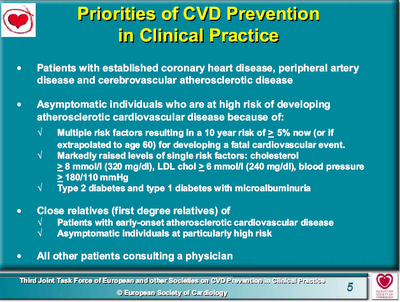
The priorities for CVD prevention in clinical practice are :
  • Patients with established coronary heart disease, peripheral artery disease and cerebrovascular atherosclerotic disease
  • Asymptomatic individuals who are at high risk of developing atherosclerotic cardiovascular disease because of
    • multiple risk factors resulting in a 10 year risk of 5% now (or if extrapolated to age 60) for developing a fatal CVD event
    • markedly raised levels of single risk factors: cholesterol 8 mmol/l (320 mg/dl), LDLcholesterol 6 mmol/l (240 mg/dl), blood pressure 180/110 mmHg
    • diabetes type 2 and diabetes type 1 with microalbuminuria
  • Close relatives of
    • patients with early onset atherosclerotic cardiovascular disease
    • symptomatic individuals at particularly high risk
    • Other individuals encountered in your clinical practice
Strategies
Strategies to make behavioural counselling more effective include:

  • develop a therapeutic alliance with the patient
  • gain commitments from the patient to achieve lifestyle change
  • ensure the patient understands the relationship between lifestyle and disease
  • help the patient overcome barriers to lifestyle change
  • involve the patient in identifying the risk factor(s) to change
  • design a lifestyle modification plan
  • use strategies to reinforce the patients´ own capacity to change
  • monitor progress of lifestyle change through followup contacts
  • involve other health care staff wherever possible
SCORE
This new model for total risk estimation based on the SCORE (Systematic Coronary Risk Evaluation) system is now recommended and has several advantages.

The SCORE risk assessment is derived from a large dataset of prospective European studies and predicts fatal atherosclerotic CVD events over a ten year period.

This risk estimation is based on the following risk factors: gender, age, smoking, systolic blood pressure and total cholesterol.

The threshold for high risk based on fatal cardiovascular events is defined as "higher than 5%" , instead of the previous "higher than 20%" using a composite coronary endpoint.

This SCORE model has been calibrated according to each European country´s mortality statistics. In other words, if used on the entire population aged 40-65, it will predict the exact number of fatal CVD-events that eventually will occur after 10 years.

Using HeartScore total CVD risk can also be projected to age 60 which may be of particular importance for guiding young adults, at the age of 20 or 30, at low absolute risk, but already with an unhealthy risk profile, which will put them at much higher risk when they grow older.

Relative risk can also be estimated from the pie charts.

You can read more about the SCORE project in European Heart Journal, 2003, 24; 987-1003.

Friday, December 29, 2006

Alzheimer’s Disease and Parkinson’s Disease - a free 360 degree perspective from Nature


Approaching Alzheimer’s Disease and Parkinson’s Disease from many perspectives, Nature Publishing Group (NPG) provides the full-spectrum coverage these diseases deserve. From genetics and behaviour to pharmacology, brain circulation and mapping, NPG continues to publish top-tier research spanning the breadth of Alzheimer’s and Parkinson’s Diseases.

We have gathered together a sampling of top quality research papers on these diseases for you to preview (most at no charge) from a number of our highly-rated journals.

An article linking use of statins to reduction in Alzheimer’s Disease is here.

Tuesday, December 26, 2006

Statins - Radio 4 & Vivienne Parry

In September I became interested in Statins after i heard Vivienne Parry discuss healthy hearts on Radio 4.

'Longevity gene keeps mind sharp'

Image of an elderly woman
The gene variant alters blood cholesterol transport
A gene variation that helps people live to a ripe old age also appears to preserve memory and thinking power, US work suggests.

The "longevity" gene alters the size of fatty cholesterol particles in the blood, making them bigger than normal.

This stops them causing the fatty build up in blood vessels that is linked with brain impairment, and deadly strokes and heart attacks, Neurology reports.

The study involved nearly 300 Ashkenazi Jews in their 70s, 80s and 90s.

In studying these centenarians, we hope to learn what factors lessen their risk for diseases
Lead researcher Nir Barzilia

The nonagenarians who possessed the longevity gene were twice as likely to have good brain function than those who did not have the gene variant.

Their performance on tests of memory and concentration was far superior.

Also, those who had reached a century were three times more likely to have the longevity gene variation than their 70-year-old counterparts.

Lead researcher Nir Barzilia, director of the Institute for Aging Research at Albert Einstein College of Medicine in New York, said the same gene variation might also protect against Alzheimer's dementia.

He said: "In studying these centenarians, we hope to learn what factors lessen their risk for diseases that affect the general population at a much younger age."

He said as well as the gene having a favorable effect on the vascular integrity of the aging brain, it could also have a positive action on the brain tissue itself.

The brain relies on a good blood supply to keep its functions and processes in top order.

Long life

About one person in every 10,000 reaches the age of 100.

Researchers have known that genes play a role because longevity often runs in families.

Scientists are working to develop drugs that can mimic the effect of the gene CETP.

An American woman is officially recognised as the world's oldest person, dying at the age of 116 earlier this month.

She assumed the title of world's oldest person following the death of Esther de Capovilla of Ecuador in August - also at the age of 116.

Her successor looks set to be Emiliano Mercado del Toro of Puerto Rico, who is 115, according to Robert Young, adviser to Guinness World Records.

Thursday, November 16, 2006

Chris Street 's - Blood Pressure & Cholesterol levels


Today i booked myself to see the local nurse at my GP. This was prompted by my Boots cholesterol test. I wanted to know my HDL ratio.

My blood pressure is 130/70 mmHg.

I am overweight: 12st 13lbs, height 5'7.5" hence BMI 28.3 (BMI calculator). I'm more at risk from high blood pressure, high cholesterol or diabetes.

A blood sample test:

  • Total Cholesterol (TC): 5.1
  • HDL ratio (TC/HDL): 5.0
  • LDL: 3.0

By my calculation HDL = 5.1/5.0 = 1.02 mmole / Litre (40 mg/dL). From the table below I have (borderline) low HDL levels with a heightened risk of heart disease.

Recommended HDL range

HDL levels and risk for heart disease are:-

Level mg/dL Level mmol/L Interpretation
<40 <1.03 Low HDL cholesterol, heightened risk for heart disease, <50>
40-59 1.03-1.52 Medium HDL level
>60 >1.55 High HDL level, optimal condition considered protective against heart disease

More sophisticated laboratory methods measure not just the total HDL but also the range of HDL particles, e.g. "lipoprotein subclass analysis", typically divided into several groups by size, instead of just the total HDL concentration as listed above. The largest groups (most functional) of HDL particles have the most protective effects. The groups of smallest particles reflect HDL particles which are not actively transporting cholesterol, thus not protective.

Certain changes in lifestyle can have a positive impact on raising HDL levels:

Recommended LDL range

The American Heart Association, NIH and NCEP provide a set of guidelines for fasting LDL-Cholesterol levels, estimated or measured, and risk for heart disease. As of 2003, these guidelines were:

Level mg/dL Level mmol/L Interpretation
<100 <2.6 Optimal LDL cholesterol, corresponding to reduced, but not zero, risk for heart disease
100 to 129 2.6 to 3.3 Near optimal LDL level
130 to 159 3.3 to 4.1 Borderline high LDL level
160 to 189 4.1 to 4.9 High LDL level
>190 >4.9 Very high LDL level, corresponding to highest increased risk of heart disease

At 3.0 mmoles/ Litre (~ 115mg/dL) test result for LDL I have near optimal LDL level.

NB. My total cholesterol analysed by Boots last month was 5.2mmoles/L.


My LDL-C is 115 mg/dL (3.0 mmole/l)
My HDL-C is 40 mg/dL (1.02 mmole/l)

Diagram source Postgraduate Medicine online.

Although statin therapy has revolutionized management of coronary heart disease (CHD), the lowering of low-density lipoprotein cholesterol (LDL-C) levels is not the whole story. Increased plasma concentrations of high-density lipoprotein cholesterol (HDL-C) have a cardioprotective effect that is just as important for reducing risk of heart attack and stroke.

Blood Pressure


Blood pressure values are stated in millimetres of mercury (mmHg). The systolic pressure is defined as the peak pressure in the arteries during the cardiac cycle; the diastolic pressure is the lowest pressure (at the resting phase of the cardiac cycle).

Typical values for a resting, healthy adult human are approximately 120 mmHg systolic and 80 mmHg diastolic (written as 120/80 mmHg), with large individual variations. These measures of blood pressure are not static, but undergo natural variations from one heartbeat to another or throughout the day (in a circadian rhythm); they also change in response to stress, nutritional factors, drugs, or disease.

Normal values of blood pressure

Normal ranges for blood pressure in adult humans are:

Clinical trials demonstrate that people who maintain blood pressures at the low end of these pressure ranges have much better long term cardiovascular health and are considered optimal. The principal medical debate is the aggressiveness and relative value of methods used to lower pressures into this range for those who don't maintain such pressure on their own. Elevations, more commonly seen in older people, though often considered normal, are associated with increased morbidity and mortality. The clear trend from double blind clinical trials is that lower Blood Pressure is found to result in less disease.

My Results
With these results (TC/HDL ratio = 5.0, Systolic Blood Pressure = 130, Age 50, Non Smoker) I calculate my risk of CHD (Coronary Heart Disease) - see diagram below as " less than 15% risk of CHD over next 10 years". Or from the European Study the risk of a fatal CardioVascular Event is 1%-2% over the next 10 years.

Thursday, November 09, 2006

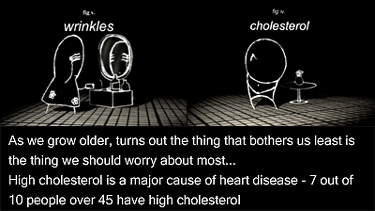
British Heart Foundation - 7 out of 10 over 45 have high cholesterol


My cholesterol level is 5.2 mmoles /Litre (Boots test) or 5.1 (GP Nurse test). British Heart Foundation say it should be <5.0>

How is cholesterol measured?

Measuring cholesterol levels involves a simple blood test. This can be done either through a full blood test or a pinprick test. It is measured in millimols per litre of blood. These tests should always be carried out by a GP or trained health professional rather than using a self test kit.

What is the ideal cholesterol level?

The BHF advises that people should have a total cholesterol level of under 5 mmol/1 and a LDL level under 3 mmol/1.

The average blood cholesterol level of people living in England is 5.5mmol/1. This is high compared to other countries. For example, in China the average is 4.5mmol/1.

Who is at risk?

Those most at risk are those people who have a high intake of saturated fat in their diets. However, you can lower your cholesterol level by reducing your saturated fat intake, increasing the amount of physical activity you do and increasing your intake of fresh fruit and vegetables.

BHF launched a campaign to highlight cholesterol - and get people to think more seriously about the health of their heart.

Today, nearly half of all deaths from coronary heart disease in Britain are due to raised cholesterol.

People should take positive steps to look after their hearts by cutting down saturated fats, increasing the amount of physical activity they take and eating more fresh fruit and vegetables.

You may have seen our adverts on TV, which show a series of animated characters worrying about the outward signs of ageing - such as getting wrinkles and loss of hair. But all of the characters show scant regard for their health - and especially their hearts. Watch the ad here.

And today ex Malaysian Prime Minister has heart attack.